

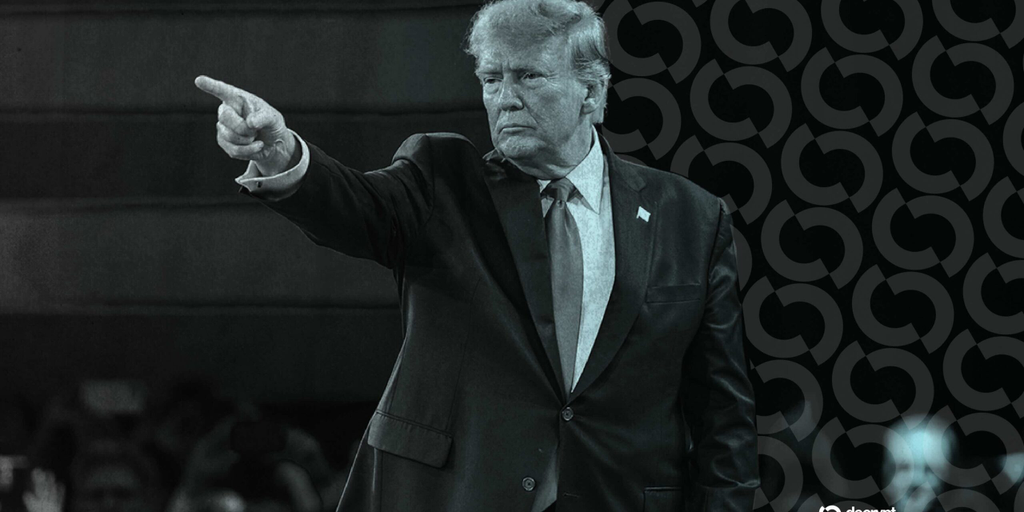
AI Regulation Showdown: White House Seeks to Override State Laws
The rapid advancement of artificial intelligence (AI) has ignited a heated debate surrounding its regulation. A recent proposal from the White House appears aimed at neutralizing the legislative efforts of state governments and establishing federal leadership in AI regulation. While this reflects the government's attempt to foster innovation while mitigating potential risks, it also raises concerns about infringing on the autonomy of individual states. This analysis delves into the implications and potential impact of the White House's proposal on the future landscape of AI regulation.
Escalating Competition for AI Regulatory Leadership
The White House's recent AI regulatory proposal underscores the intensifying competition for leadership in AI regulation within the United States. While individual state governments have strived to shape the direction of technological advancement by introducing their own AI regulatory bills, the White House's proposal clearly demonstrates the federal government's intention to exercise ultimate decision-making power over AI regulation. According to Decrypt, the proposal is designed to override state laws and strengthen the authority of federal regulatory agencies.
State Efforts and the White House Proposal
Several states have already introduced legislation aimed at ethical AI usage, data privacy protection, and algorithmic transparency. However, the White House's proposal can be interpreted as an attempt to nullify these state-level efforts and establish a unified AI regulatory framework at the federal level. While this may be more efficient than applying different regulations in each state, given the rapid pace of AI development, it also faces criticism for potentially failing to reflect local characteristics and hindering innovation.
Background and Prospects of Regulatory Competition
Competition for AI regulation is the result of a complex interplay of factors, including the pace of technological advancement, economic interests, and social values. The increasing application of AI technology in diverse fields such as finance, healthcare, and education has further emphasized the need for regulation. The White House's proposal can be interpreted as an effort to strengthen the role of the federal government within this context and promote the responsible development and use of AI technology. However, conflict with state governments is inevitable, and the future AI regulatory landscape is expected to become more complex. To analyze these changes closely and adjust investment strategies, it is important to leverage FireMarkets' market analysis tools.
Impact of Regulatory Uncertainty on the Market
Uncertainty surrounding AI regulation can negatively impact related markets. Investors may hesitate to invest due to concerns about regulatory changes, and companies may face difficulties in developing new technologies or expanding their businesses. Therefore, the government must carefully review regulatory measures and establish a rational regulatory framework through sufficient consultation with stakeholders.
FireMarkets Intelligent Outlook
Real-time technical analysis and AI sentiment for AI.
View AI Analysis Summary
Firemarkets.net AI Analysis Result:
* Not financial advice. Data for informational purposes only.
Want deeper analysis on this asset?
Check out expert reports and on-chain data provided by FireMarkets specialists.
All content provided by FireMarkets (including news, analysis, and data) is for reference purposes only to assist in investment decisions and does not constitute a recommendation to buy or sell any specific asset.
Financial markets are highly volatile, and past performance is not indicative of future results. Please rely on your own judgment and consult with professionals before making any investment decisions. FireMarkets assumes no legal liability for investment outcomes.