

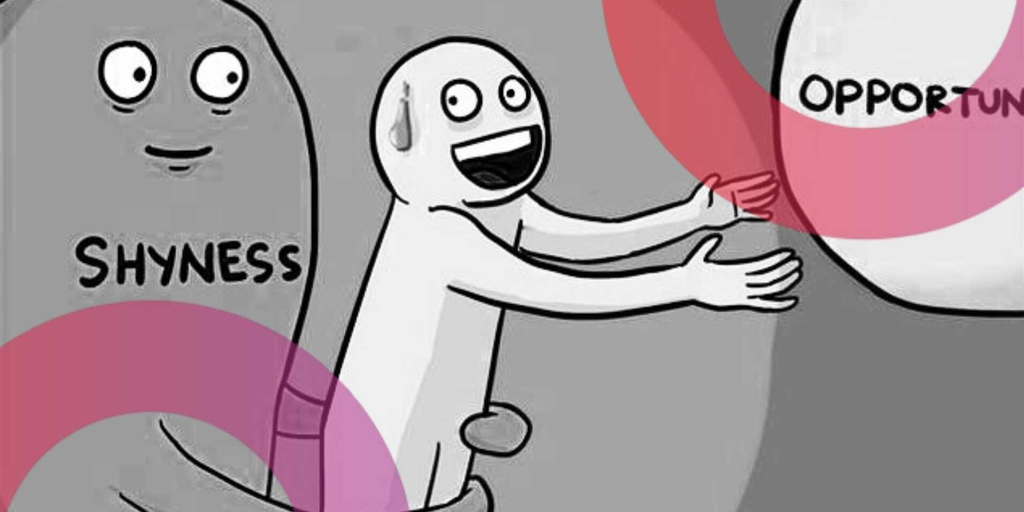
Digital Echoes: Artist's Lawsuit Ignites AI's Intellectual Property Inferno
A landmark legal challenge is unfolding at the intersection of art and artificial intelligence, as the anonymous creator behind the iconic 'Running Away Balloon' artwork has reportedly initiated a lawsuit against an AI meme generator. This case, as detailed by Decrypt, transcends a mere dispute over digital imagery; it represents a critical juncture for intellectual property rights, the economic value of creative labor, and the very definition of originality in an era where algorithms can mimic, adapt, and proliferate artistic styles with unprecedented speed. The outcome could set a powerful precedent for how the digital economy values and protects human creativity against the encroaching capabilities of generative AI.
The New Frontier of Infringement: AI's Artistic Appropriation
The 'Running Away Balloon' Case: A Symbol of Conflict
The lawsuit initiated by the anonymous creator behind the iconic 'Running Away Balloon' artwork against an AI meme generator transcends a mere claim of copyright infringement. This case, reported by Decrypt, brings to the fore the complex issues that arise when AI commercially appropriates an artist's unique style and identity. The specific allegation that the AI used the artwork's imagery in 'ad templates' suggests that artistic creations can be leveraged by algorithms to generate commercial value without authorization, posing fundamental questions about the livelihood of creators.
Beyond Direct Copying: Style, Homage, or Theft?
One of the core contentions in this lawsuit is whether an AI's imitation of an artist's 'style' constitutes copyright infringement. Traditional copyright law has primarily focused on direct copying or derivative works of specific pieces. However, AI learns from vast datasets, 'absorbing' an artist's aesthetic, composition, and thematic essence, then generates new images based on this learning. This places the debate on a blurry line between 'homage' and 'theft,' and the court's interpretation of AI's training process and its outputs will significantly impact the future of digital art and the broader AI industry.
Economic Implications: Valuing Creativity in the Algorithmic Age
The Creator Economy Under Siege
The advancement of generative AI presents a double-edged sword for the creator economy. On one hand, it offers new tools and possibilities for artistic expression. On the other, it poses a threat that artists' unique styles and skills could be easily replicated or even replaced by algorithms. If AI is permitted to learn from and commercially exploit artists' works without authorization, it could devalue human art and undermine the foundation for artists to monetize their distinct styles. This exacerbates the economic precarity faced by artists in the digital age.
The Business of AI: Risk and Reward
AI companies' business models are heavily reliant on training with extensive datasets. The outcome of this lawsuit could necessitate fundamental changes in how AI companies collect and utilize data. If the courts broadly uphold artists' rights, AI companies might face substantial legal and financial burdens, such as paying licensing fees for training data or being restricted to using only public domain content. This would significantly impact the pace and direction of AI technology development and the investment landscape for related industries.
The Legal Labyrinth: Redefining Intellectual Property
Copyright Law's Analog Roots in a Digital World
Current copyright law was largely formulated during the age of print and analog media, not anticipating the advent of advanced technologies like generative AI. The concepts of 'fair use' and the scope of 'transformative use' remain ambiguous when applied to AI-generated content. This case highlights the limitations of existing legal frameworks and strongly advocates for the necessity of a new intellectual property framework tailored for the digital era.
Precedent Setting: A Global Ripple Effect
The ruling in the 'Running Away Balloon' lawsuit will not merely be an isolated incident; it will serve as a crucial precedent globally, redefining the relationship between AI, art, and intellectual property. Its implications are expected to be far-reaching, affecting the valuation of digital art markets like NFTs, the operational models of AI-powered content platforms, and the direction of AI-related legislation in various countries. This judgment will be a pivotal milestone in shaping the future of the digital economy.
Navigating the Future: A Call for Balance
Towards a Symbiotic Relationship?
The progression of AI technology is an unstoppable force. The crucial task is not to view AI solely as a threat to creators but to recognize its potential as a tool that can amplify human creativity and enable new artistic expressions. It is imperative to establish balanced legal and ethical frameworks that protect creators' rights while fostering AI innovation. This path seeks a future where AI and human creators can coexist and mutually advance.
The Imperative for Informed Decision-Making
In an era where complex technological, legal, and economic shifts intertwine, insightful, informed decision-making is more critical than ever. To analyze the ripple effects of global economic issues on asset markets from multiple angles, leverage FireMarkets' expert analysis columns and diverse asset charting tools. The future of AI and intellectual property hinges not just on court rulings but on the wise choices made by technology developers, artists, policymakers, and investors alike.
Want deeper analysis on this asset?
Check out expert reports and on-chain data provided by FireMarkets specialists.
All content provided by FireMarkets (including news, analysis, and data) is for reference purposes only to assist in investment decisions and does not constitute a recommendation to buy or sell any specific asset.
Financial markets are highly volatile, and past performance is not indicative of future results. Please rely on your own judgment and consult with professionals before making any investment decisions. FireMarkets assumes no legal liability for investment outcomes.