

Escalating Iran Crisis: Oil Prices Surge, Financial Markets on Edge
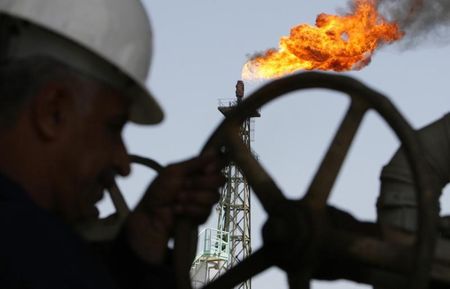
As the deadline for President Trump's Iran sanctions approaches and ceasefire talks falter, international oil prices are surging, and financial markets are experiencing heightened anxiety. With geopolitical risks escalating, investors are expressing concerns about the increased market volatility and a preference for safe-haven assets is emerging. The prolonged geopolitical tensions in the Middle East are also projected to negatively impact global economic growth, necessitating a cautious market response.
Escalating Iran Crisis and Oil Price Surge
Realization of Geopolitical Risk
The recent surge in international oil prices is primarily attributed to the United States' actions regarding the Iran nuclear deal (JCPOA) and the resulting escalation of geopolitical tensions in the Middle East. As the deadline for President Trump's Iran sanctions approaches, the failure of ceasefire talks has further amplified market concerns. According to Investing.com, oil prices have seen a sharp increase as these geopolitical risks materialize.
Impact on Supply and Demand
Iran is a major oil-producing country, and any disruption to its oil production or exports directly impacts global oil supply and demand. Particularly, at a time when global demand is recovering, Iranian supply disruptions can exacerbate upward pressure on oil prices. Furthermore, instability in the Middle East can affect the production of other oil-producing countries, potentially worsening supply imbalances.
Market Reaction
Volatility and Safe-Haven Asset Preference
The surge in oil prices is expanding volatility across financial markets. Investors are increasing their movement of funds to safe-haven assets amid growing uncertainty, and prices of safe-haven assets such as gold are rising. The stock market is also showing a tendency to decline as risk aversion spreads.
Exchange Rates and Interest Rate Fluctuations
The deepening Iran crisis can also affect exchange rates and interest rates. A strengthening dollar is expected, and the currencies of countries with close trade relations with Iran may decline. Additionally, there is a possibility of rising inflationary pressures, which could prompt central banks to consider interest rate hikes.
Future Outlook and Investment Strategy
The Iran crisis could have a lasting impact on the market beyond short-term volatility. Therefore, investors should consider the following when formulating investment strategies:
- Geopolitical Risk Management: Continuous monitoring of developments in the Middle East is essential.
- Prepare for Potential Supply Imbalances: Adjust investment proportions in energy-related assets to prepare for oil price volatility.
- Build a Safe-Haven Asset Portfolio: Increase the proportion of safe-haven assets such as gold and U.S. Treasury bonds to diversify risk.
Leverage FireMarkets' expert analysis columns and diverse asset charting tools to analyze the ripple effects of global economic issues on asset markets from multiple angles and formulate investment strategies.
FireMarkets Intelligent Outlook
Real-time technical analysis and AI sentiment for GOLD, OIL.
View AI Analysis Summary
Firemarkets.net AI Analysis Result:
* Not financial advice. Data for informational purposes only.
Want deeper analysis on this asset?
Check out expert reports and on-chain data provided by FireMarkets specialists.
All content provided by FireMarkets (including news, analysis, and data) is for reference purposes only to assist in investment decisions and does not constitute a recommendation to buy or sell any specific asset.
Financial markets are highly volatile, and past performance is not indicative of future results. Please rely on your own judgment and consult with professionals before making any investment decisions. FireMarkets assumes no legal liability for investment outcomes.