

South Korea's Crypto Crucible: Navigating the New Regulatory Frontier and the Market's Future
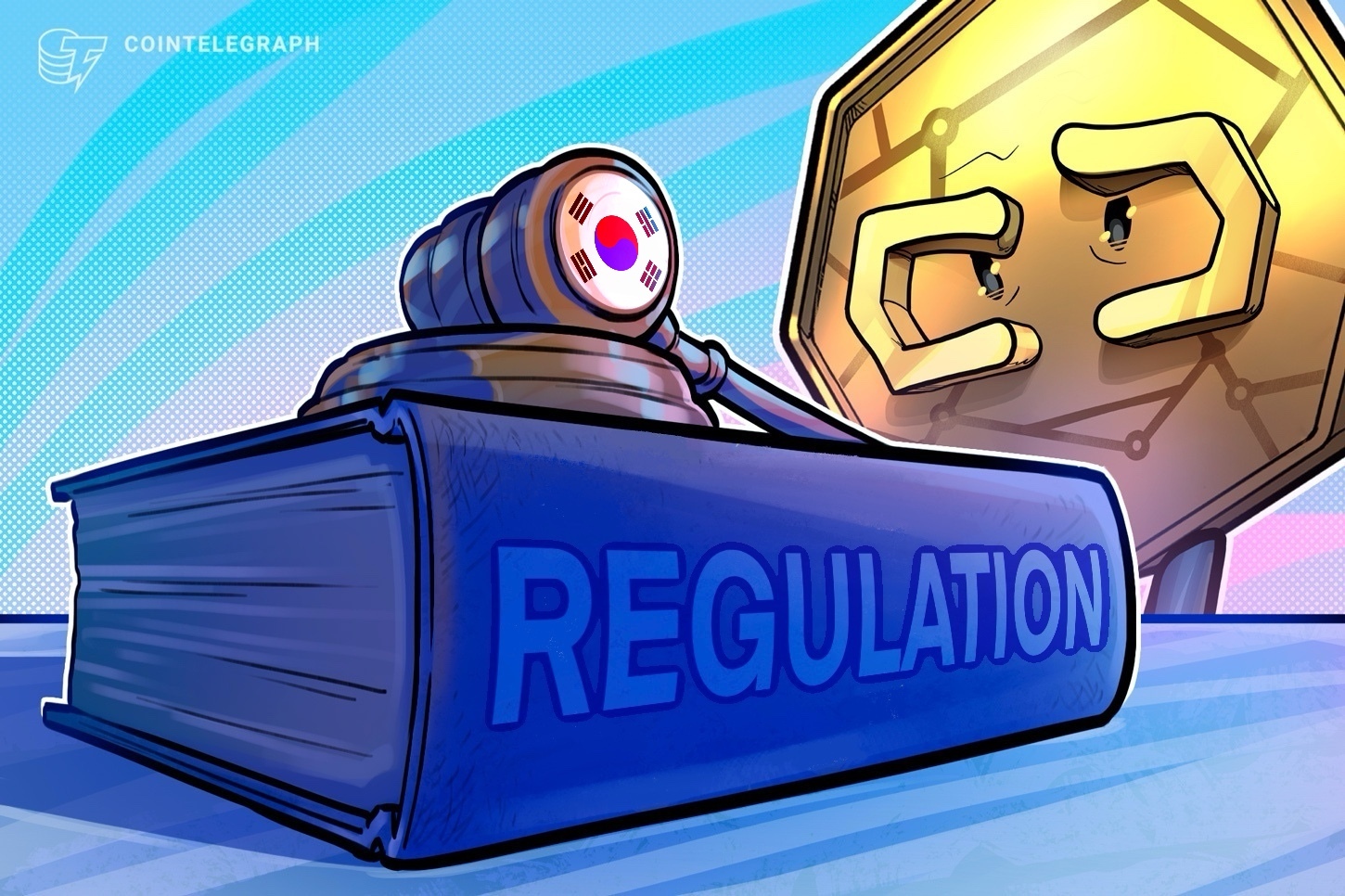
South Korea is reportedly embarking on a significant expansion of its cryptocurrency regulations, ushering in a new era for the digital asset industry. This move aligns with a global trend towards enhanced investor protection and market transparency, and is anticipated to have profound implications for both domestic and international market participants. Far from mere control, this regulatory tightening reflects the South Korean government's intent to integrate cryptocurrencies into the mainstream financial system, potentially elevating the market's maturity to a new level.
The Imperative of Regulation: A Journey Towards Trust and Stability
According to a recent report by Cointelegraph, South Korea is significantly expanding its regulatory framework for the cryptocurrency market. This move is not merely about introducing new rules; it reflects the South Korean government's strong commitment to building investor confidence and ensuring market stability within a rapidly evolving digital asset landscape. Past market turbulences and investor losses have been growing pains that the crypto market had to endure to be integrated into the mainstream financial system. This regulatory tightening is thus interpreted as an attempt to establish a more robust foundation based on these experiences.
Alignment with Global Regulatory Trends
South Korea's regulatory expansion is not an isolated phenomenon. Major countries worldwide are making similar moves to ensure the transparency and soundness of the cryptocurrency market. The United States, the European Union, and Singapore, among others, have already strengthened anti-money laundering (AML) and counter-terrorist financing (CFT) obligations, focusing on establishing clear regulatory standards for emerging digital assets like stablecoins and NFTs. South Korea's current measures can be seen as part of an effort to align with these international trends and create a regulatory environment that meets global standards.
Key Aspects of the Expanded Regulatory Framework and Market Impact
The expanded regulations are expected to impose new obligations and responsibilities on market participants across various domains, extending beyond the existing Virtual Asset Service Provider (VASP) reporting requirements. While specific details have not yet been fully disclosed, it is highly probable that the framework will encompass the following key elements:
- Enhanced Investor Protection: This may include prohibitions on insider trading, sanctions against unfair trading practices, increased liability for operators in cases of hacking or system failures, and mandatory segregation of customer deposits. The focus is on ensuring a safer trading environment for investors.
- Increased Market Transparency: Expectations include strengthened internal control systems for exchanges, clearer criteria for listing and delisting, and enhanced surveillance and penalties for market manipulation. This aims to secure market integrity and reduce uncertainty.
- Regulation of Emerging Digital Assets: Definitions and regulatory measures for new forms of digital assets, such as stablecoins and Non-Fungible Tokens (NFTs), are likely to be established. Stablecoins, in particular, due to their significant potential impact on the financial system, may be subject to strict standards for issuance and circulation.
- Strengthened International Cooperation: Given the cross-border nature of cryptocurrency transactions, compliance with Financial Action Task Force (FATF) recommendations and increased information sharing with foreign regulatory authorities will become more active.
Balancing Innovation and Regulatory Compliance
In the short term, such regulatory tightening may impose burdens on crypto-related businesses, leading to increased compliance costs and business model restructuring. Small to medium-sized exchanges and nascent projects, in particular, might face challenges in meeting the enhanced regulatory requirements. However, in the long run, increased market credibility through regulatory compliance can attract institutional investors and foster overall industry growth. Regulation should not be seen as stifling innovation but rather as laying the groundwork for healthy innovation.
The Future of South Korea's Crypto Market and Investment Strategy
South Korea's expanded crypto regulations will be a crucial turning point, resolving market uncertainties and solidifying digital assets' position as a legitimate component of the financial system. This will, in the long term, enhance market stability and predictability, contributing to a more mature investment environment. It is vital for investors to understand these changes and meticulously analyze how regulatory compliance impacts the sustainability of businesses.
The Importance of Informed Investment Decisions
In a complex and rapidly changing regulatory landscape, reliable information and in-depth analysis are essential for making successful investment decisions. FireMarkets provides real-time data across diverse asset classes and professional-grade market analysis content, supporting informed investment decisions. Understanding the market ripples caused by regulatory changes and cultivating the insight to seize new opportunities within them will be the most critical investment strategy right now.
Want deeper analysis on this asset?
Check out expert reports and on-chain data provided by FireMarkets specialists.
All content provided by FireMarkets (including news, analysis, and data) is for reference purposes only to assist in investment decisions and does not constitute a recommendation to buy or sell any specific asset.
Financial markets are highly volatile, and past performance is not indicative of future results. Please rely on your own judgment and consult with professionals before making any investment decisions. FireMarkets assumes no legal liability for investment outcomes.