

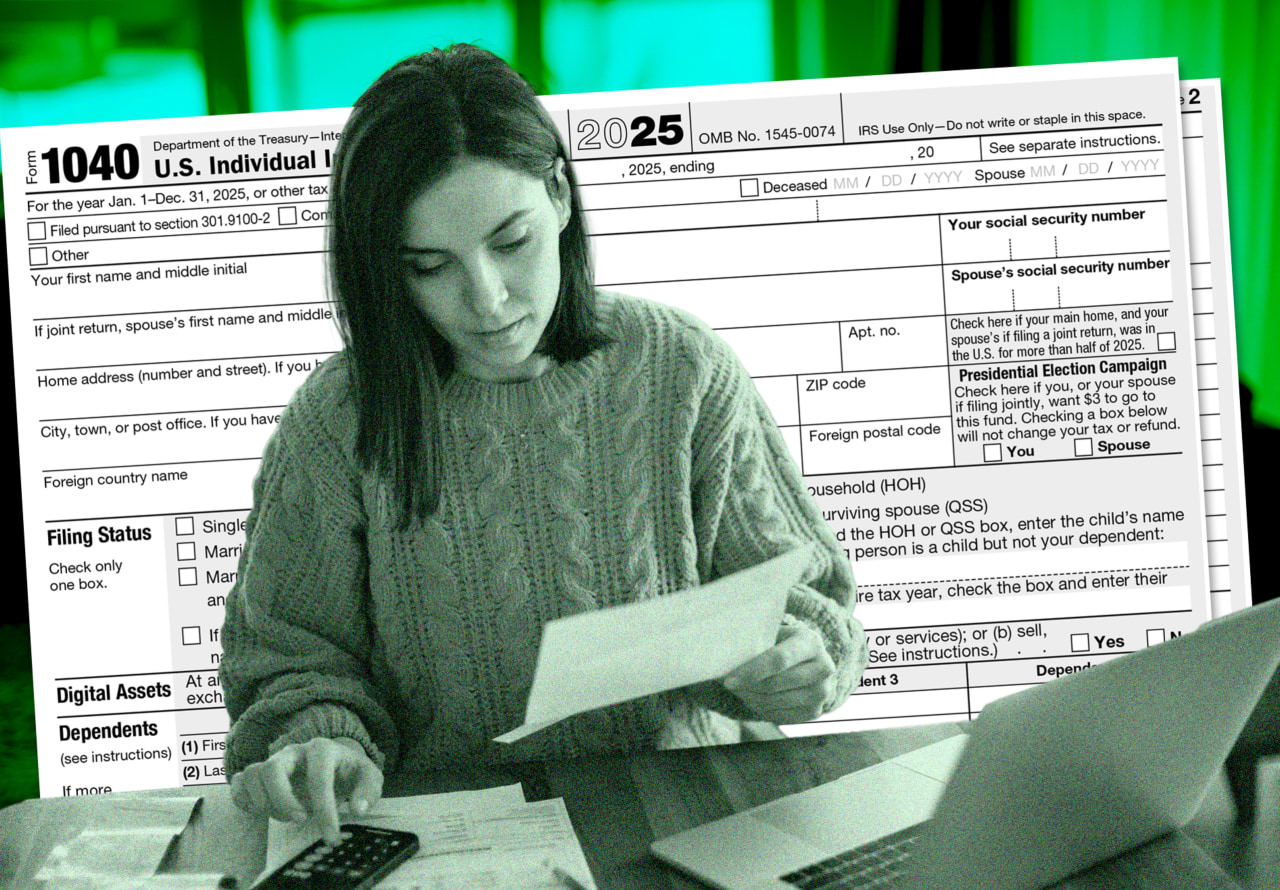
Tax Refunds: A Spending Spree or a Financial Lifeline for Americans?
As tax refund season approaches in the United States, many Americans are planning how to use their refunds. However, recent surveys reveal a surprising trend: the majority of Americans are opting to use their refunds to pay down debt or save, rather than spend. This shift suggests a dampened consumer sentiment in the high-interest rate environment and growing concerns about financial stability. This analysis, drawing on reporting from MarketWatch, will delve into the evolving patterns of tax refund usage among Americans and explore the underlying economic implications.
Shifting Tax Refund Usage Patterns: A Retreat from Consumption and a Pursuit of Financial Stability
Rise in Debt Repayment and Savings
According to a recent report by MarketWatch, the majority of Americans plan to use their tax refunds this year to pay down debt or save, rather than spend. This represents a significant shift from previous years and reflects the impact of high interest rates and concerns about a potential economic slowdown. Paying off credit card debt is a particular priority, highlighting the ongoing burden of household debt.
Drivers of Weakened Consumer Sentiment
High interest rates, persistent inflation, and the possibility of a recession are key factors dampening consumer sentiment in the United States. The focus on saving or debt repayment rather than spending refunds reflects this anxiety. Furthermore, a growing emphasis on retirement financial security among older demographics is leading to a greater inclination to allocate refunds to pensions or investments.
Economic Implications of Changing Refund Usage Patterns
Potential for Consumption Slowdown and Economic Growth Deceleration
Tax refunds typically act as a catalyst for consumer spending, but this survey suggests that a consumption slowdown may persist. This could lead to a deceleration in economic growth, particularly impacting consumer-related industries such as retail. The government may need to consider stimulus measures to address this situation.
Importance of Household Debt Management
Using refunds to pay down debt has a positive impact on household debt management. Reducing debt in a high-interest rate environment strengthens household financial stability and helps secure future spending power. Governments should strengthen debt management education and support programs to alleviate household financial burdens.
Implications for Investment Strategies
The shift in American tax refund usage patterns has implications for investment strategies. Investors may consider reducing their exposure to consumer-related stocks and exploring investments in stable assets or debt management services. Leverage FireMarkets' expert analysis columns and diverse asset charting tools to analyze the ripple effects of global economic issues on asset markets from multiple angles.
FireMarkets Intelligent Outlook
Real-time technical analysis and AI sentiment for SPY, XRT.
View AI Analysis Summary
Firemarkets.net AI Analysis Result:
* Not financial advice. Data for informational purposes only.
Want deeper analysis on this asset?
Check out expert reports and on-chain data provided by FireMarkets specialists.
All content provided by FireMarkets (including news, analysis, and data) is for reference purposes only to assist in investment decisions and does not constitute a recommendation to buy or sell any specific asset.
Financial markets are highly volatile, and past performance is not indicative of future results. Please rely on your own judgment and consult with professionals before making any investment decisions. FireMarkets assumes no legal liability for investment outcomes.