

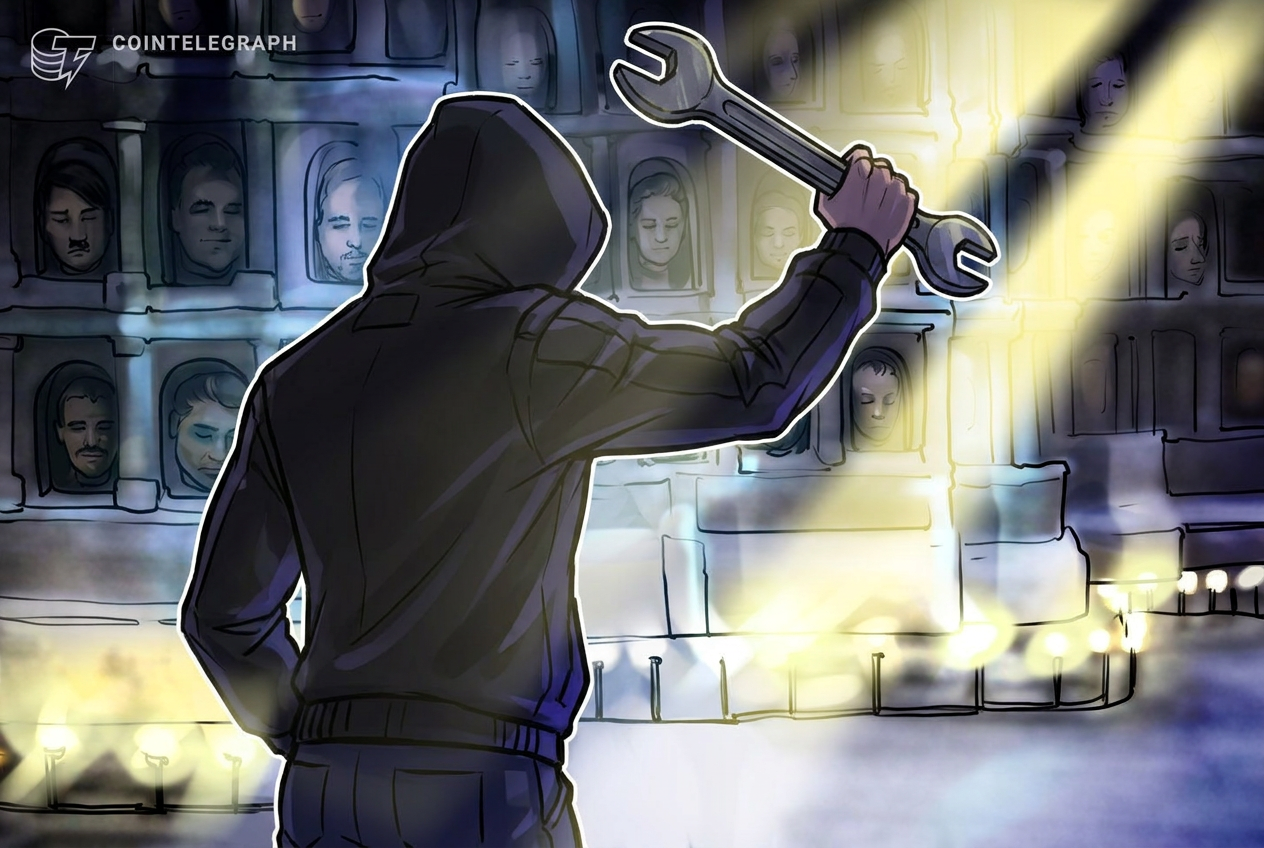
The $5 Wrench Paradox: Why Physical Threats Are Crypto’s Ultimate Security Vulnerability
In an era where military-grade cryptography guards billions in digital wealth, the weakest link in the security chain remains decidedly human. Known colloquially as 'wrench attacks,' physical coercion and targeted home invasions against digital asset holders have escalated into a paramount security challenge, threatening the fundamental promise of self-sovereign wealth.
While 256-bit encryption and mathematical consensus mechanisms offer unassailable defense against cyber intruders, they remain fundamentally vulnerable to physical coercion. According to a report by Cointelegraph, so-called 'wrench attacks'—physical home invasions, kidnappings, and extortion schemes targeting digital asset holders—are escalating at an alarming rate. Named after the classic cybersecurity adage that a five-dollar wrench can defeat high-level encryption through sheer force, this phenomenon underscores a critical shift in the threat vector facing crypto investors.
The Anatomy of Physical Coercion in Decentralized Finance
The core ethos of Web3 centers on self-sovereignty: eliminating intermediaries and granting individuals full custody over their wealth. However, this disintermediation cuts both ways. In traditional banking, financial institutions employ fraud detection, transaction freezes, and legal recourse to mitigate extortion. On an immutable public ledger, these safety nets do not exist.
1. Transaction Irreversibility
Once a victim is coerced into broadcasting a signed transaction to the network, the transfer is mathematically final. Perpetrators face zero risk of bank rollbacks or wire recalls, creating a high-reward incentive structure for physical robbery.
2. The Operational Security (OpSec) Paradox
Public blockchains make financial transactions visible to anyone. When high-net-worth investors flex profits on social media or fail to obfuscate their digital identity, bad actors can easily correlate wallet addresses with physical locations, effectively turning transparent ledgers into target lists.
Defense-in-Depth: Bridging Digital and Physical Security
Mitigating physical threats requires moving beyond basic hardware wallets toward comprehensive risk-management architecture.
- Multi-Signature & Time-Locked Vaults: By requiring signatures from multiple geo-distributed keys or enforcing a multi-hour delay on large transfers, investors can render immediate forced transfers technically impossible.
- Duress PINs and Decoy Wallets: Utilizing secondary wallet profiles that reveal nominal balances under coercion enables victims to satisfy attackers without surrendering main holdings.
- Institutional Custody Abstraction: High-net-worth individuals are increasingly delegating custody to regulated institutional providers, stripping themselves of sole physical access to private keys.
Conclusion: Redefining Digital Wealth Protection
As digital assets solidify their role in global portfolios, security strategies must evolve from purely cryptographic measures to holistic personal protection frameworks. Self-sovereignty ultimately demands not only digital vigilance, but also disciplined physical OpSec.
If you need the latest financial market trends and professional analysis, expand your investment insight by checking Market Insight and key asset technical charts on FireMarkets.
FireMarkets Intelligent Outlook
Real-time technical analysis and AI sentiment for BTC, ETH.
View AI Analysis Summary
Crypto Fear & Greed
Next Update: Unknown
Firemarkets.net AI Analysis Result:
* Not financial advice. Data for informational purposes only.
Want deeper analysis on this asset?
Check out expert reports and on-chain data provided by FireMarkets specialists.
All content provided by FireMarkets (including news, analysis, and data) is for reference purposes only to assist in investment decisions and does not constitute a recommendation to buy or sell any specific asset.
Financial markets are highly volatile, and past performance is not indicative of future results. Please rely on your own judgment and consult with professionals before making any investment decisions. FireMarkets assumes no legal liability for investment outcomes.