

The Achilles' Heel of Cold Storage: How Trezor’s Vendor Breach Re-Exposes the Fragility of Crypto Supply Chains
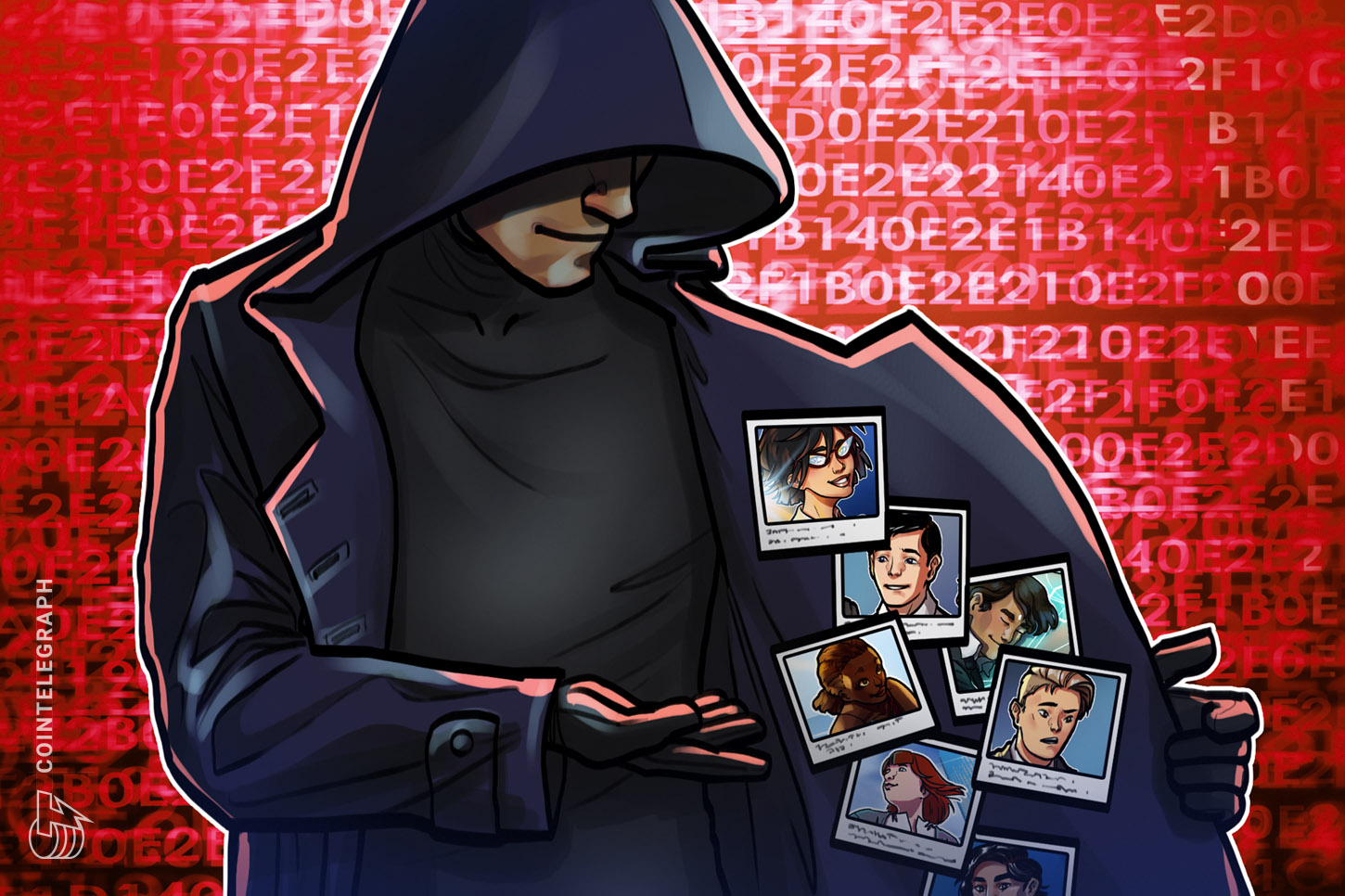
In an era where self-custody is heralded as the ultimate fortress against centralized exchange collapses, hardware wallet giant Trezor faces a stark reminder of systemic operational vulnerability. As reported by Cointelegraph, customer data belonging to approximately 14,000 users was exposed via an unauthorized breach at a third-party shipping provider. This incident underscores a critical paradox in digital asset security: while cryptographic primitives remain unbreachable, the off-chain operational architecture surrounding hardware distribution remains acutely vulnerable to supply chain exploits.
The Paradox of Off-Chain Vulnerability in On-Chain Fortresses
The cardinal rule of cryptocurrency self-custody has long been clear: "not your keys, not your coins." Hardware wallets manufactured by market pioneers such as Trezor have traditionally served as the ultimate benchmark for safeguarding digital wealth against remote hackers, malware, and exchange bankruptcies. However, as reported by Cointelegraph, a recent data exposure impacting approximately 14,000 Trezor users via a third-party shipping provider highlights a persistent and troubling vulnerability—the exact friction point where sovereign cryptography meets legacy physical logistics.
While the private keys stored on Trezor devices remain cryptographically secure and uncompromised, the leak of Personally Identifiable Information (PII)—including names, delivery addresses, and contact details—presents severe real-world operational risks. In the realm of digital assets, exposed customer records do not merely represent a privacy oversight; they provide malicious actors with a direct blueprint for highly targeted social engineering attacks, SIM-swapping, and offline coercion.
Supply Chain Vectors: The Weakest Link in Hardware Custody
This breach is far from an isolated anomaly within the hardware custody sector. The broader cryptocurrency ecosystem has repeatedly suffered from third-party vendor exposures, illustrating how peripheral service providers remain the weakest security link.
1. Highly Tailored Social Engineering Attacks
Attackers possessing precise shipping logs can construct remarkably sophisticated phishing campaigns. By impersonating official support staff or logistics couriers, adversaries pressure victims into exposing their recovery seed phrases or installing malicious firmware updates.
2. Physical Security Risks and Offline Coercion
The exposure of home physical addresses introduces non-trivial security vectors. When bad actors possess definitive proof that a specific individual owns high-value crypto assets and know their physical location, software-level encryption offers little defense against real-world offline threats.
Mitigating Vendor Risks and Operational Footprints
To insulate users from third-party operational failures, hardware vendors must fundamentally restructure their data retention policies. Implementing strict zero-trust architectures and ephemeral customer data policies—where shipping records are permanently purged immediately upon fulfillment—is no longer optional; it is an imperative operational standard.
For investors navigating these heightened operational risks alongside broader market volatility, evaluating both technological infrastructure and fundamental indicators is essential. To establish a clear investment direction amid complex market conditions, we recommend comprehensively leveraging FireMarkets' in-depth analysis content and fundamental on-chain data.
FireMarkets Intelligent Outlook
Real-time technical analysis and AI sentiment for BTC.
View AI Analysis Summary
Crypto Fear & Greed
Next Update: Unknown
Firemarkets.net AI Analysis Result:
* Not financial advice. Data for informational purposes only.
Want deeper analysis on this asset?
Check out expert reports and on-chain data provided by FireMarkets specialists.
All content provided by FireMarkets (including news, analysis, and data) is for reference purposes only to assist in investment decisions and does not constitute a recommendation to buy or sell any specific asset.
Financial markets are highly volatile, and past performance is not indicative of future results. Please rely on your own judgment and consult with professionals before making any investment decisions. FireMarkets assumes no legal liability for investment outcomes.