

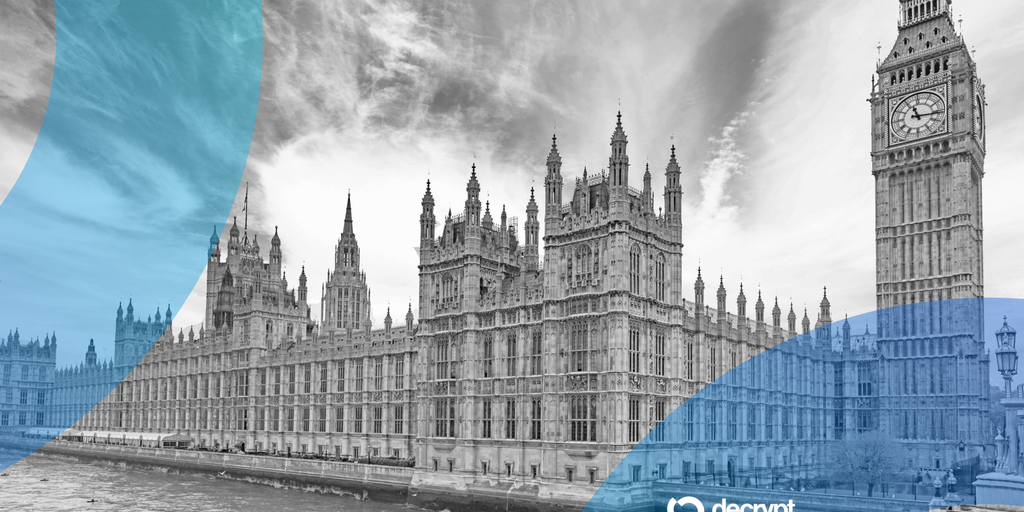
The Chilling Effect: UK Parliament Challenges Traditional Banks Over Crypto 'De-Banking' Practices
UK lawmakers have launched a formal inquiry into traditional banks over their systematic restriction and closure of accounts linked to cryptocurrency businesses and investors. This investigation highlights the growing friction between legacy financial institutions and the digital asset sector, raising critical questions about financial inclusion and the future of fintech innovation.
The Friction Between Legacy Finance and Digital Assets
The Scope of the Parliamentary Inquiry
According to a report by the cryptocurrency news outlet Decrypt, UK lawmakers have initiated a probe into traditional commercial banks regarding their restrictive practices toward crypto-related accounts. This phenomenon, widely known as "de-banking," has seen banks systematically restrict, freeze, or outright close the accounts of cryptocurrency exchanges, blockchain startups, and retail investors. The parliamentary committee aims to determine whether these restrictive measures are based on genuine risk assessments or if they constitute arbitrary barriers designed to stifle emerging competition.
The Economic Toll of De-Banking
The exclusionary tactics of legacy financial institutions stand in stark contrast to the UK government's stated ambition to transform the nation into a global Web3 and digital asset hub. Deprived of basic banking services—such as payroll processing and rent payments—many promising fintech firms have been forced to relocate to more welcoming jurisdictions. This capital and talent flight poses a significant threat to the UK's long-term financial competitiveness and technological leadership.
Regulatory Tightrope: Security vs. Innovation
The Banks' Defense: AML and Fraud Prevention
In their defense, traditional banks argue that these stringent measures are necessary to comply with strict Anti-Money Laundering (AML) and Counter-Terrorist Financing (CFT) regulations. Facing heavy penalties from financial regulators for any compliance failures, banks claim that preemptively de-risking—by severing ties with high-risk sectors like crypto—is the only pragmatic approach. However, critics and lawmakers argue that instead of developing sophisticated risk-monitoring tools, banks have opted for a blunt, wholesale exclusion of the entire digital asset sector.
The Path Forward for UK FinTech
The parliamentary probe could mark a turning point, forcing banks to adopt more transparent, case-by-case evaluation methods rather than blanket bans. For the UK to maintain its status as a premier financial center, regulators must foster an environment where traditional banking infrastructure and digital asset innovation can safely coexist. To establish a clear investment direction amid complex market conditions, we recommend comprehensively leveraging FireMarkets' in-depth analysis content and fundamental on-chain data.
FireMarkets Intelligent Outlook
Real-time technical analysis and AI sentiment for ETH, BTC.
View AI Analysis Summary
Crypto Fear & Greed
Next Update: Unknown
Firemarkets.net AI Analysis Result:
* Not financial advice. Data for informational purposes only.
Want deeper analysis on this asset?
Check out expert reports and on-chain data provided by FireMarkets specialists.
All content provided by FireMarkets (including news, analysis, and data) is for reference purposes only to assist in investment decisions and does not constitute a recommendation to buy or sell any specific asset.
Financial markets are highly volatile, and past performance is not indicative of future results. Please rely on your own judgment and consult with professionals before making any investment decisions. FireMarkets assumes no legal liability for investment outcomes.