

The Chink in the Digital Armor: Coldcard Exploit Rattles Crypto's Custody Paradigm
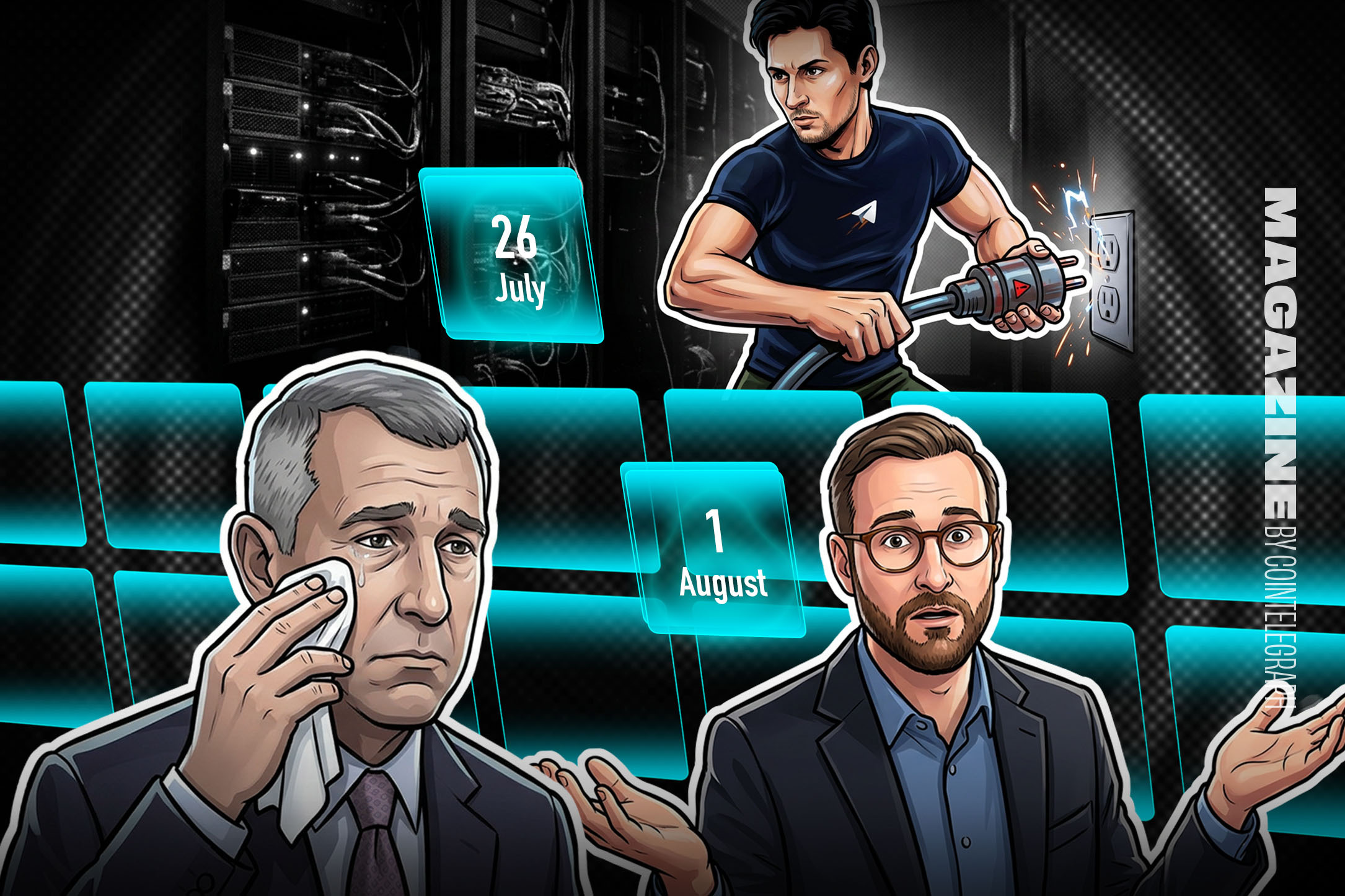
A critical exploit in the Coldcard hardware wallet, long considered a 'gold standard' for cryptocurrency self-custody, has emerged, as reported by Cointelegraph on August 2, 2026. This incident immediately triggered a 'Bitcoin flight,' prompting investors to move their digital assets to what they perceive as safer havens. Far beyond a mere technical glitch, this event casts a profound shadow over the trustworthiness of self-custody—a cornerstone of the cryptocurrency market—demanding a comprehensive re-evaluation of digital asset security's future.
The Breach in the Bastion: Coldcard's Unsettling Vulnerability
For years, Coldcard has stood as a paragon of Bitcoin self-custody solutions. Its robust security design and air-gapped signing capabilities promised ultimate safety for digital asset owners, embodying the physical manifestation of the crypto ethos: 'not your keys, not your coin.' However, the news of a Coldcard exploit, reported by Cointelegraph on August 2, 2026, has created an unexpected chink in this fortress of trust. While the precise nature of the exploit remains undisclosed, its mere existence serves as a stark reminder that even the most sophisticated security apparatuses are not infallible. This is not a mere bug but a significant vulnerability with the potential to directly threaten user assets, thus carrying substantial ramifications for the market.
The Exodus and Market Tremors: A Flight to Perceived Safety
Immediately following the exploit's disclosure, the cryptocurrency market reacted swiftly. The term 'Bitcoin flight' accurately captures the phenomenon of a significant volume of Bitcoin, previously held on Coldcard devices, being moved to other hardware wallets, software wallets, or centralized exchanges. This movement reflects deep investor unease and an instinctive reaction to re-evaluate risk and seek perceived safety. Analysis suggests a temporary increase in market liquidity and potential short-term downward pressure on Bitcoin's price. This incident once again underscores the crypto market's sensitivity to technical vulnerabilities and highlights how security breaches can directly influence market sentiment and price volatility, transcending mere technical issues.
Re-evaluating Digital Fortresses: Self-Custody Under Scrutiny
The Coldcard exploit reignites the long-standing debate within the cryptocurrency community regarding 'self-custody' versus 'custody on centralized exchanges.' Self-custody has been lauded as the ideal model, eliminating third-party risk by allowing users to manage their private keys directly. However, with the vulnerability of a hardware wallet itself now exposed, the perception that self-custody is an unassailable solution is being challenged. This places a significant onus on hardware wallet manufacturers to enhance their security standards and transparency, potentially even prompting new regulatory discussions around cryptocurrency asset storage. Users are now confronted with the fundamental question: 'What kind of self-custody is truly secure?'
A Test of Resilience and Evolution: Forging Stronger Defenses
The cryptocurrency ecosystem has historically demonstrated remarkable resilience, overcoming numerous security threats and challenges. The Coldcard exploit will undoubtedly serve as another pivotal moment in this ongoing evolution. Coldcard's manufacturer will need to respond swiftly and transparently to restore user trust, while other hardware wallet providers will likely use this incident as an impetus to re-evaluate and strengthen their own product security. Crucially, Bitcoin's underlying protocol remains robust; the vulnerability lies not within the Bitcoin network itself but with a specific storage solution. In the long term, this event is expected to accelerate innovation in digital asset security technologies and demand a deeper understanding and greater responsibility from users regarding their security practices. Explore the detailed analysis of macro indicators, gold, silver, cryptocurrencies, and more through Market Insight on FireMarkets, and leverage the on-chain fundamental analysis to forecast market trends and optimize your investment decisions.
FireMarkets Intelligent Outlook
Real-time technical analysis and AI sentiment for BTC.
View AI Analysis Summary
Crypto Fear & Greed
Next Update: Unknown
Firemarkets.net AI Analysis Result:
* Not financial advice. Data for informational purposes only.
Want deeper analysis on this asset?
Check out expert reports and on-chain data provided by FireMarkets specialists.
All content provided by FireMarkets (including news, analysis, and data) is for reference purposes only to assist in investment decisions and does not constitute a recommendation to buy or sell any specific asset.
Financial markets are highly volatile, and past performance is not indicative of future results. Please rely on your own judgment and consult with professionals before making any investment decisions. FireMarkets assumes no legal liability for investment outcomes.