

The Dark Echoes of Digital Gold: Bitcoin's Persistent Struggle with Illicit Use
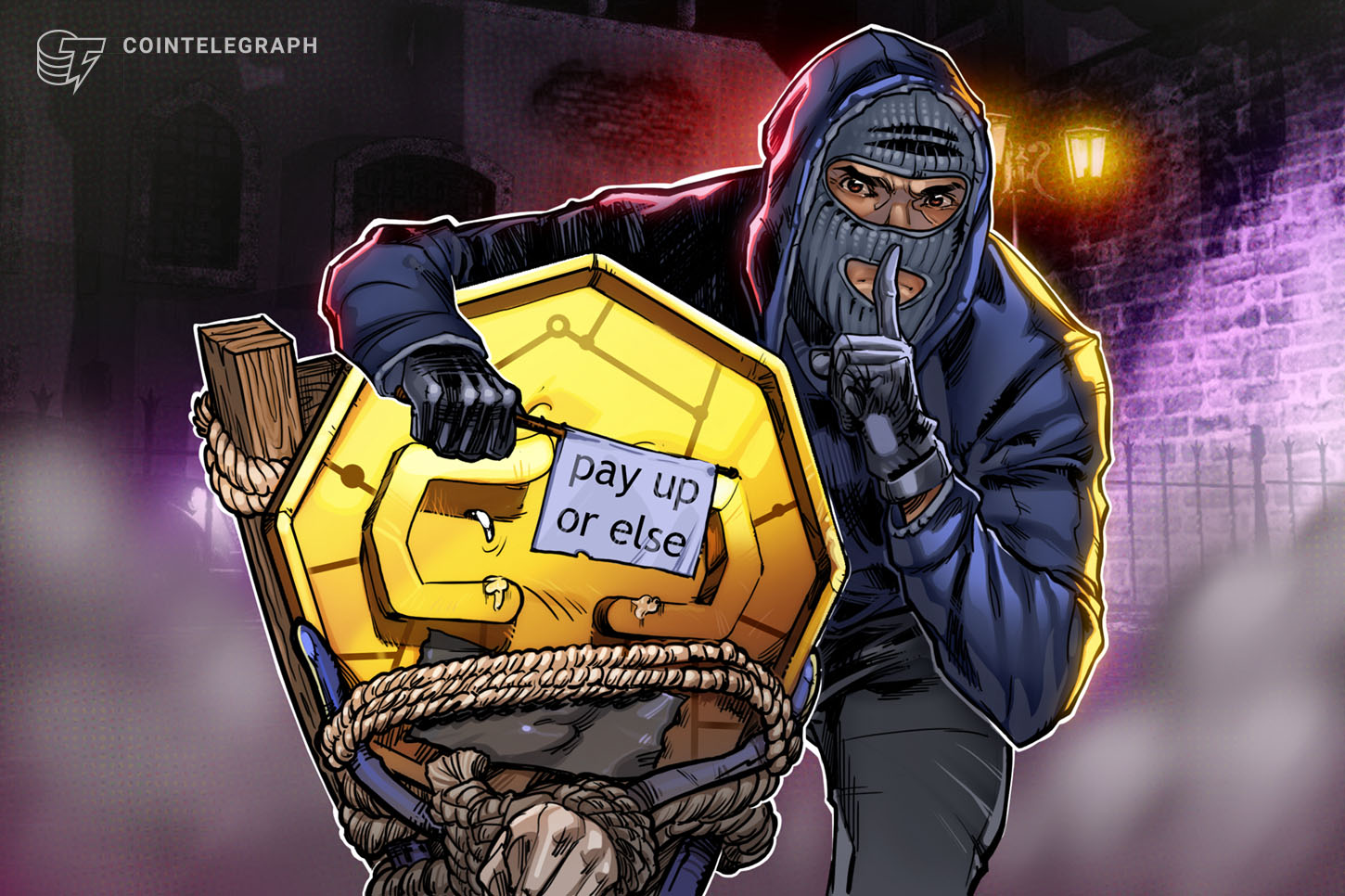
The recent charges against a Missouri trio for an alleged Bitcoin kidnapping plot, as reported by Cointelegraph, cast a stark and unsettling light on the enduring challenges faced by the cryptocurrency ecosystem. While Bitcoin and other digital assets have revolutionized finance with promises of decentralization and efficiency, this incident serves as a grim reminder that the very features attracting legitimate innovation can also be exploited for nefarious purposes, prompting renewed scrutiny from law enforcement and regulators alike.
The Missouri Incident: A Case Study in Crypto Misuse
The details emerging from Missouri paint a chilling picture. Three individuals stand accused of orchestrating a kidnapping plot, allegedly demanding ransom in Bitcoin. This particular case, brought to light by Cointelegraph on August 5, 2026, is not an isolated anomaly but rather a potent symbol of the ongoing struggle to mitigate the illicit use of digital currencies. It underscores the complex interplay between technological advancement and the darker facets of human intent.
The Allegations and Modus Operandi
The alleged scheme involved the abduction of a victim, with the perpetrators reportedly demanding a substantial sum in Bitcoin for their release. Such incidents, while thankfully rare in their extreme nature, highlight a recurring pattern: criminals are drawn to cryptocurrencies for perceived anonymity and the ease of cross-border transactions. The allure of a digital, untraceable payment method, however, often proves to be a mirage, as law enforcement agencies increasingly develop sophisticated tools to track and identify illicit crypto flows.
The Digital Trail: Unmasking Anonymity
Contrary to popular belief, Bitcoin transactions, while pseudonymous, are not entirely anonymous. Every transaction is recorded on a public ledger, the blockchain, creating an immutable trail. Law enforcement, in collaboration with blockchain analytics firms, has made significant strides in de-anonymizing these transactions, linking wallet addresses to real-world identities. The Missouri case will undoubtedly serve as another test of these capabilities, demonstrating the growing efficacy of digital forensics in combating crypto-related crime.
Bitcoin's Dual Nature: Innovation vs. Illicit Activity
Bitcoin's journey since its inception has been marked by a profound duality. On one hand, it represents a paradigm shift in financial technology, offering unprecedented access, transparency, and efficiency. On the other, its early association with dark web markets and ransomware attacks has cast a long shadow, one that incidents like the Missouri kidnapping plot continue to reinforce.
The Promise of Decentralization
The core ethos of Bitcoin—decentralization, censorship resistance, and peer-to-peer transactions—holds immense promise for financial inclusion and innovation. It has spurred the development of an entire ecosystem of decentralized finance (DeFi), NFTs, and Web3 applications, challenging traditional financial intermediaries and empowering individuals globally.
The Persistent Stain of Crime
Despite its legitimate advancements, the narrative of cryptocurrency as a tool for criminals persists. From ransomware payments to money laundering and, now, alleged kidnapping ransoms, the illicit use cases continue to grab headlines, often overshadowing the positive developments. This persistent stain complicates efforts for mainstream adoption and invites stricter regulatory oversight, which, while necessary, can sometimes stifle innovation.
Regulatory Scrutiny and the Path Forward
The Missouri incident will inevitably intensify calls for more robust regulatory frameworks. Governments worldwide are grappling with how to effectively police a borderless, rapidly evolving digital asset landscape without stifling innovation.
The Evolving Landscape of Crypto Regulation
Regulators are increasingly focusing on Know Your Customer (KYC) and Anti-Money Laundering (AML) compliance for cryptocurrency exchanges and service providers. The goal is to create a transparent and accountable environment where illicit actors find it harder to operate. This includes efforts to regulate stablecoins, central bank digital currencies (CBDCs), and even decentralized autonomous organizations (DAOs).
Balancing Innovation with Security
The challenge lies in striking a delicate balance. Overly stringent regulations risk pushing legitimate innovation offshore or into less transparent corners of the internet. Conversely, a lax approach leaves the door open for criminal exploitation, eroding public trust and potentially destabilizing financial systems. The ongoing dialogue between policymakers, industry leaders, and law enforcement is crucial for developing pragmatic solutions.
Implications for the Broader Crypto Market
Such high-profile criminal cases, particularly those involving violence, have tangible implications for the broader cryptocurrency market and its perception.
Public Perception and Institutional Adoption
For many outside the crypto sphere, incidents like the Missouri kidnapping reinforce negative stereotypes, hindering broader public acceptance and institutional adoption. While sophisticated investors understand the underlying technology and its potential, the general public often equates "Bitcoin" with "crime" when such stories dominate the news cycle. This perception gap is a significant hurdle for the industry's maturation.
The Imperative for Due Diligence
For investors and businesses operating within the crypto space, these events underscore the imperative for rigorous due diligence and adherence to best practices. Engaging with regulated entities, understanding the provenance of funds, and employing robust security measures are no longer optional but essential for mitigating risk and fostering a trustworthy ecosystem.
Conclusion: Navigating the Complexities of the Digital Frontier
The alleged Bitcoin kidnapping plot in Missouri serves as a stark reminder that the digital frontier, while brimming with innovation, is not immune to the darker aspects of human behavior. As cryptocurrencies continue their march towards mainstream integration, the industry, regulators, and law enforcement must collaboratively address the challenges of illicit use. Only through a concerted effort to enhance security, enforce regulations, and educate the public can the full potential of digital assets be realized, free from the shadows of crime. To analyze the ripple effects of global economic issues on asset markets from multiple angles, leverage FireMarkets' expert analysis columns and diverse asset charting tools.
FireMarkets Intelligent Outlook
Real-time technical analysis and AI sentiment for BTC.
View AI Analysis Summary
Crypto Fear & Greed
Next Update: Unknown
Firemarkets.net AI Analysis Result:
* Not financial advice. Data for informational purposes only.
Want deeper analysis on this asset?
Check out expert reports and on-chain data provided by FireMarkets specialists.
All content provided by FireMarkets (including news, analysis, and data) is for reference purposes only to assist in investment decisions and does not constitute a recommendation to buy or sell any specific asset.
Financial markets are highly volatile, and past performance is not indicative of future results. Please rely on your own judgment and consult with professionals before making any investment decisions. FireMarkets assumes no legal liability for investment outcomes.