

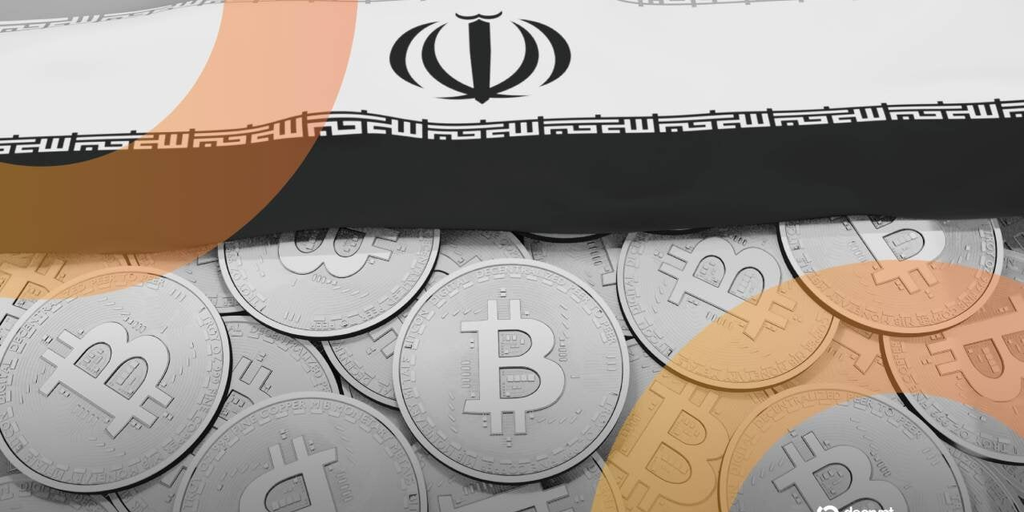
The Digital Chokepoint: How Bitcoin Fuels Sanctions Evasion in the Strait of Hormuz
In a significant escalation of its efforts to curb illicit financial flows, the U.S. Treasury Department has reportedly sanctioned several Iranian entities for utilizing Bitcoin to facilitate passage through the strategically vital Strait of Hormuz. This move, as reported by Decrypt on July 31, 2026, underscores the persistent challenge cryptocurrencies pose to traditional sanctions regimes, highlighting a sophisticated cat-and-mouse game where digital assets are weaponized against geopolitical pressure, and raising profound questions about the future of financial surveillance and national security in the digital age.
The Geopolitical Chessboard and Crypto's Unseen Hand
The Strait of Hormuz, a narrow maritime chokepoint connecting the Persian Gulf to the open ocean, has long been a flashpoint for global energy security and geopolitical tensions. Through its waters pass a significant portion of the world's seaborne oil, making its control and accessibility a matter of international concern. The recent U.S. Treasury sanctions, detailed by Decrypt, reveal a disturbing evolution in how illicit actors leverage modern financial tools to circumvent traditional barriers. Iranian firms, allegedly involved in facilitating passage through this critical waterway, have turned to Bitcoin, a decentralized digital currency, to obscure their transactions and evade the watchful eye of global financial regulators.
Bitcoin's Dual Nature: A Tool for Freedom and Evasion
Bitcoin, initially conceived as a peer-to-peer electronic cash system free from central authority, embodies a profound paradox. While lauded by proponents as a tool for financial inclusion and a bulwark against state overreach, its pseudonymous nature and borderless transfers also make it attractive to those seeking to bypass conventional financial systems for nefarious purposes. The Iranian case is a stark reminder of this duality. For entities operating under stringent international sanctions, Bitcoin offers a lifeline – a means to transact value without relying on SWIFT, correspondent banks, or other regulated financial intermediaries that are susceptible to state control.
The Sanctions Dilemma: Adapting to a Digital Frontier
Traditional sanctions regimes, primarily designed for a fiat-based financial world, face an increasingly complex challenge in the age of digital assets. The U.S. Treasury's action signifies an ongoing adaptation, extending its enforcement reach into the cryptocurrency domain. This isn't the first time cryptocurrencies have been linked to sanctions evasion, but the specific context of the Strait of Hormuz adds a layer of strategic importance. It suggests that the use of crypto is not merely for financial gain but is deeply intertwined with geopolitical objectives and the maintenance of critical infrastructure access.
- Enhanced Surveillance: The sanctions indicate a growing sophistication in tracking crypto transactions, even those designed for obfuscation.
- Regulatory Expansion: Expect further calls for international cooperation and stricter regulations on crypto exchanges and service providers to prevent such circumvention.
- Technological Arms Race: As states develop better tools for crypto tracing, illicit actors will likely seek more advanced privacy-enhancing technologies.
Implications for Global Trade and Financial Security
The implications of these sanctions extend beyond Iran. They serve as a potent warning to other sanctioned entities and rogue states that the digital realm is not immune to enforcement. For the broader cryptocurrency market, such actions reinforce the narrative that regulatory scrutiny will only intensify, particularly when national security interests are at stake. Investors and legitimate users of cryptocurrencies must contend with the reputational risks associated with the asset class being exploited for illicit activities.
The ongoing struggle between state power and decentralized finance will undoubtedly shape the future of global financial security. As the world becomes increasingly digitized, the battleground for sanctions enforcement shifts, demanding innovative approaches from both sides. To establish a clear investment direction amid complex market conditions, we recommend comprehensively leveraging FireMarkets' in-depth analysis content and fundamental on-chain data.
FireMarkets Intelligent Outlook
Real-time technical analysis and AI sentiment for BTC.
View AI Analysis Summary
Crypto Fear & Greed
Next Update: Unknown
Firemarkets.net AI Analysis Result:
* Not financial advice. Data for informational purposes only.
Want deeper analysis on this asset?
Check out expert reports and on-chain data provided by FireMarkets specialists.
All content provided by FireMarkets (including news, analysis, and data) is for reference purposes only to assist in investment decisions and does not constitute a recommendation to buy or sell any specific asset.
Financial markets are highly volatile, and past performance is not indicative of future results. Please rely on your own judgment and consult with professionals before making any investment decisions. FireMarkets assumes no legal liability for investment outcomes.