

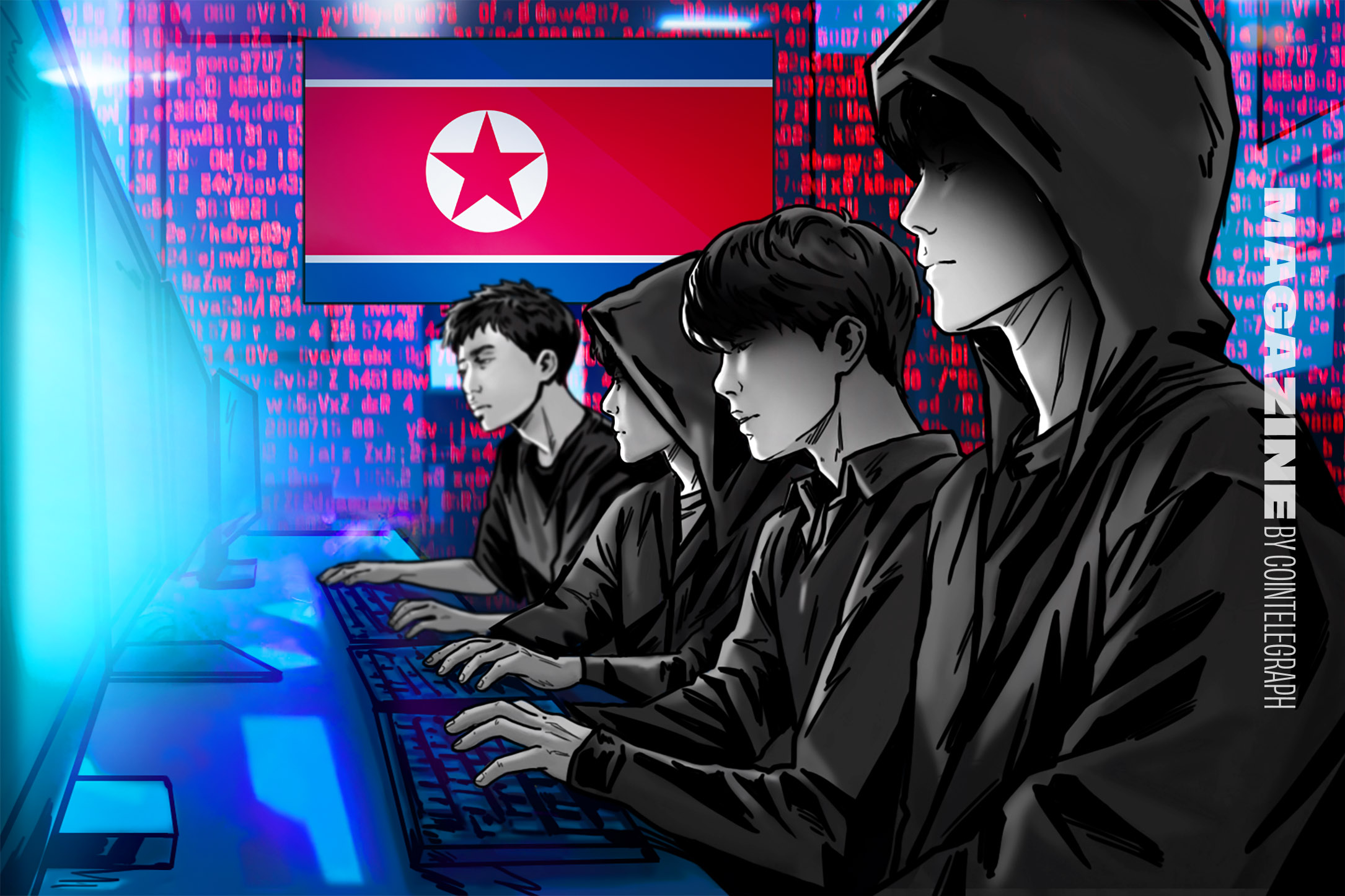
The Digital Mirage: How a Fake Crypto Startup Entrapped North Korean IT Workers
A recent investigation by Cointelegraph has unveiled a sophisticated scheme involving a fabricated cryptocurrency startup that successfully deceived North Korean IT professionals. This elaborate ruse highlights the increasingly complex nexus of cybercrime, geopolitical maneuvering, and the exploitation of emerging technologies, underscoring the profound vulnerabilities inherent in the digital frontier and the persistent challenges in combating illicit financial activities.
The Deceptive Lure of the Digital Frontier
While the cryptocurrency market is often hailed as a beacon of innovation and opportunity, it consistently casts a long shadow of deception and exploitation. A recent in-depth investigation by Cointelegraph has once again illuminated this darker facet, revealing a shocking instance where a fake crypto startup successfully entrapped North Korean IT workers. This is not merely a scam; it represents a complex confluence of geopolitical tensions, cybersecurity threats, and the misuse of emerging technologies.
A New Vector for Exploitation
The anonymity and borderless nature of digital assets, while fostering innovation, also provide fertile ground for illicit actors. This incident starkly illustrates how the cryptocurrency ecosystem can be perverted into a tool for sophisticated deception and coercion. It suggests that even individuals with technical expertise can be vulnerable to elaborately designed schemes, demanding a heightened sense of vigilance globally.
Anatomy of a Sophisticated Deception
According to the Cointelegraph report, the fake startup lured North Korean IT workers with a seemingly legitimate website, fabricated job postings, and plausible project descriptions. Operating under the guise of a remote work environment, it is highly probable that these North Korean individuals were unknowingly drawn into illicit activities.
The Target: North Korean IT Workers
Why were North Korean IT workers specifically targeted by this scam? North Korea faces stringent international sanctions, often dispatching IT professionals abroad to generate foreign currency. These individuals, often operating in isolated environments with limited access to information and under pressure from their regime, are particularly susceptible to external deception. The fake startup likely exploited these vulnerabilities to easily control and exploit them.
The Modus Operandi: Crafting a Mirage
The perpetrators invested significant effort into making the fake startup appear legitimate. This suggests an objective beyond mere financial extortion, potentially aiming to leverage the technical skills of North Korean IT workers for illicit purposes. It is conceivable that the software or code developed by these workers could have been used for money laundering, cyberattacks, or other sanctions evasion activities. This method is particularly insidious as it could inadvertently turn victims into accomplices in criminal enterprises.
Geopolitical Undercurrents and Illicit Finance
This incident transcends a simple individual scam, carrying broad implications for international security and the global financial system. The North Korean regime is well-known for utilizing cybercrime and cryptocurrency to fund its nuclear and missile programs. While a direct link between this fake startup and the North Korean regime remains unconfirmed, the exploitation of North Korean labor could ultimately contribute to the regime's illicit activities.
Sanctions Evasion and State-Sponsored Activity
If the North Korean regime or an affiliated organization is behind this scam, it represents yet another sophisticated means of evading international sanctions and generating foreign currency. The difficulty in tracing cryptocurrency transactions often makes it a preferred tool for such objectives, and this case further amplifies those concerns. The international community must enhance its surveillance and response to these evolving tactics.
The Broader Cybersecurity Threat Landscape
Furthermore, this incident underscores the complex nature of the global cybersecurity threat landscape. From state-sponsored hacking groups to highly organized criminal syndicates, various actors operate in the digital space, threatening financial systems and individuals. The growth of the cryptocurrency market adds a new dimension to these threats, demanding heightened security awareness and analytical capabilities from both investors and corporations.
Lessons from the Shadows: Vigilance in the Crypto Age
This Cointelegraph report serves as a stark reminder of the darker side of the cryptocurrency market, offering crucial lessons for investors and policymakers alike. To fully harness the potential of digital assets, it is imperative to clearly understand the accompanying risks and establish robust defense mechanisms. When it comes to understanding the big market picture and forming investment strategies, FireMarkets' Market Insight provides broad perspectives from macroeconomic analysis to individual asset trends. Insight and information are more critical than ever in combating constantly evolving threats.
Want deeper analysis on this asset?
Check out expert reports and on-chain data provided by FireMarkets specialists.
All content provided by FireMarkets (including news, analysis, and data) is for reference purposes only to assist in investment decisions and does not constitute a recommendation to buy or sell any specific asset.
Financial markets are highly volatile, and past performance is not indicative of future results. Please rely on your own judgment and consult with professionals before making any investment decisions. FireMarkets assumes no legal liability for investment outcomes.