

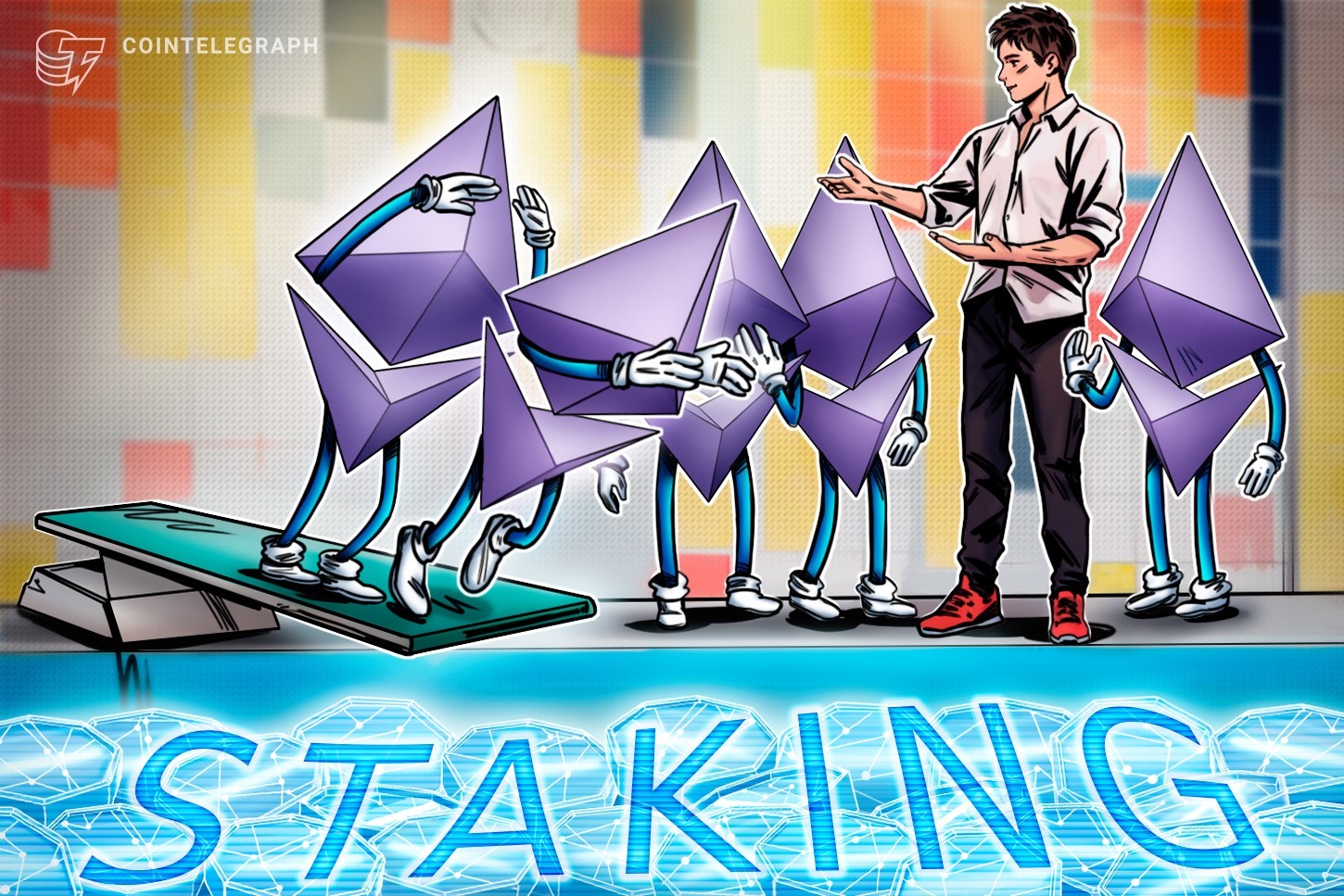
The Double-Edged Sword of Ethereum’s Staking Evolution: Security vs. Centralization
A deep dive into the controversial new Ethereum staking proposal, exploring how a well-intentioned upgrade designed to optimize network economics could inadvertently trigger systemic risks, centralize validator power, and destabilize the delicate balance of decentralized consensus.
The Genesis of the Debate: Ethereum’s New Staking Paradigm
Ethereum, the bedrock of the decentralized finance ecosystem, finds itself at a critical governance crossroads once again. A newly surfaced proposal targeting the network's staking mechanism has ignited a fierce debate within the developer community and the broader crypto industry. According to a report by Cointelegraph on August 5, 2026, while the proposal aims to secure the long-term economic sustainability and security of the network, critics warn it could inadvertently trigger systemic vulnerabilities and compromise Ethereum's core tenets.
At the heart of the controversy lies a proposed adjustment to staking reward issuance and validator entry dynamics. Proponents argue that curbing the rapid growth of staked Ether (ETH) is essential to control inflation and preserve the asset's scarcity. Conversely, detractors caution that artificial constraints on staking yields could disrupt the delicate economic equilibrium that keeps the network secure.
The Paradox of Security: Why Well-Intentioned Upgrades Backfire
Ethereum’s Proof-of-Stake (PoS) consensus relies on the financial commitment of validators to secure the ledger. The primary concern regarding the new proposal is its potential impact on solo stakers. Unlike institutional staking operations, individual node operators are highly sensitive to yield fluctuations and operational overhead. If staking rewards fall below a certain threshold, solo stakers may find it economically unviable to run their own hardware.
This scenario presents a classic security paradox. By attempting to optimize the issuance curve, the protocol risks driving away the very participants who guarantee its decentralization. The departure of solo stakers would inevitably leave a vacuum, quickly filled by centralized exchanges and massive liquid staking protocols, thereby undermining Ethereum's resistance to censorship.
The Centralization Trap and Liquid Staking Dominance
Even under the current framework, Liquid Staking Derivatives (LSDs) like Lido command a significant share of the staking market. Industry analysts predict that the proposed changes could accelerate this centralization trend. If direct staking becomes less lucrative or more complex, delegating assets to dominant pooling services becomes the default path of least resistance for average holders.
The concentration of validating power within a handful of entities is not merely a theoretical concern; it poses a tangible threat to consensus stability. Should any single entity or cartel gain control over critical thresholds of staked ETH (such as 33% or 51%), the risk of transaction censorship, block reorganization, and governance capture increases exponentially. Such structural fragility could severely damage institutional trust in Ethereum as a settlement layer.
Navigating the Delicate Balance of Decentralized Governance
Ethereum is more than a software protocol; it is a multi-billion-dollar global economy. Consequently, any alteration to its base-layer incentives must be approached with extreme caution. The current friction highlights the persistent gap between theoretical economic modeling and real-world human behavior. When protocol adjustments fail to align with the economic realities of market participants, the systemic fallout can be unpredictable.
To preserve its status as the leading smart contract platform, the Ethereum community must prioritize decentralization and censorship resistance over short-term tokenomics optimization. Finding a consensus that satisfies both core developers and network validators will be a crucial test of Ethereum's decentralized governance model in the coming months.
Conclusion: A High-Stakes Chess Game
The unfolding debate over Ethereum's staking mechanics serves as a stark reminder of the complexities inherent in upgrading decentralized infrastructure. As the network navigates this high-stakes transition, market participants must remain vigilant regarding the structural shifts in on-chain dynamics. Explore the detailed analysis of macro indicators, gold, silver, cryptocurrencies, and more through Market Insight on FireMarkets, and leverage the on-chain fundamental analysis to forecast market trends and optimize your investment decisions.
FireMarkets Intelligent Outlook
Real-time technical analysis and AI sentiment for ETH.
View AI Analysis Summary
Crypto Fear & Greed
Next Update: Unknown
Firemarkets.net AI Analysis Result:
* Not financial advice. Data for informational purposes only.
Want deeper analysis on this asset?
Check out expert reports and on-chain data provided by FireMarkets specialists.
All content provided by FireMarkets (including news, analysis, and data) is for reference purposes only to assist in investment decisions and does not constitute a recommendation to buy or sell any specific asset.
Financial markets are highly volatile, and past performance is not indicative of future results. Please rely on your own judgment and consult with professionals before making any investment decisions. FireMarkets assumes no legal liability for investment outcomes.