

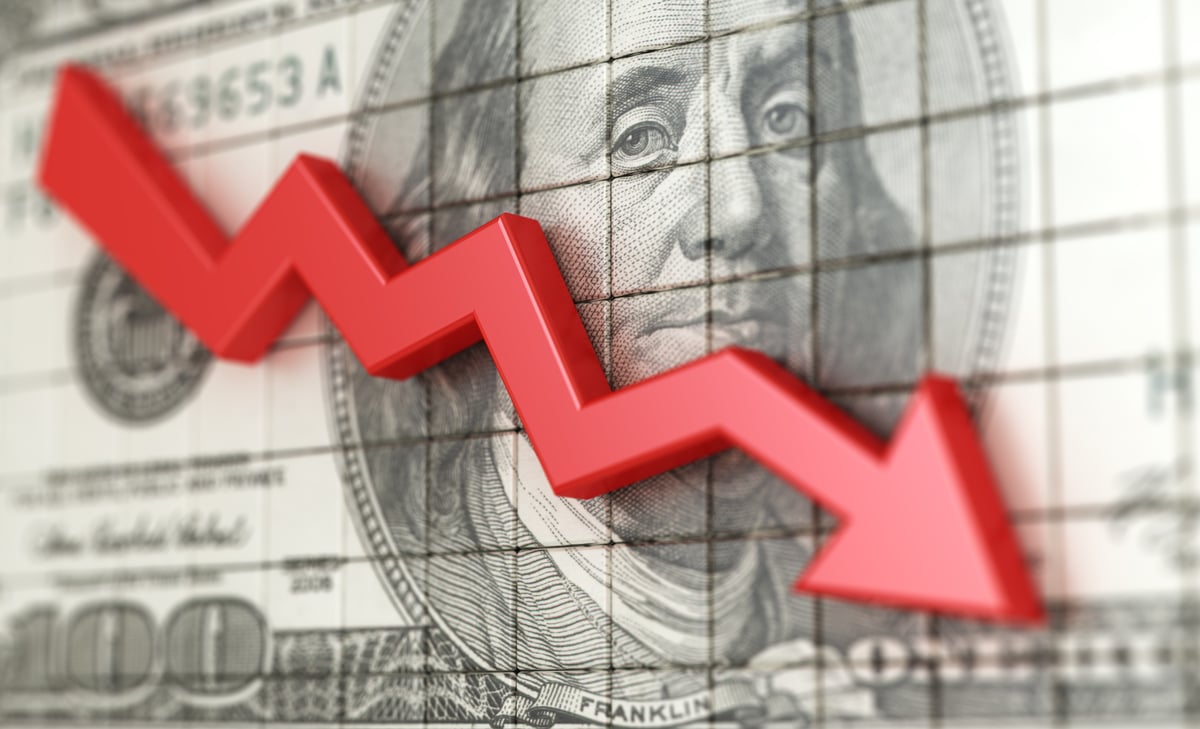
The Fed's Ominous Signal: Why History Warns of an Impending Market Correction
As the Federal Reserve delivers its latest policy pronouncement, Wall Street is forced to confront a sobering historical reality. While investors often cheer the prospect of monetary easing or stabilization, history suggests that the lag effect of aggressive tightening cycles frequently culminates in a severe market downturn before a true recovery begins.
The Illusion of the Pivot: Decoding the Fed's Latest Message
The Federal Reserve's recent communications may appear benign on the surface, but the underlying undercurrents carry a sobering warning for equity investors. According to a detailed analysis by The Motley Fool, historical precedents suggest that when the Fed signals the end of a tightening cycle or prepares for a policy pivot, it often marks the beginning of a significant market downturn rather than a sustained rally.
Market participants frequently mistake a pause or a shift toward rate cuts as an immediate green light for risk assets. However, monetary easing is rarely initiated from a position of economic strength. Instead, it is typically a reactive measure to emerging systemic fractures, indicating that the cumulative weight of restrictive monetary policy has finally begun to break something in the real economy.
The Weight of History: Why Rate Cycles Precede Market Bottoms
Historical data offers a stark reminder of the pain that usually follows the end of a Fed hiking cycle. During both the 2000 Dot-Com bust and the 2008 Great Financial Crisis, the most devastating legs of the bear markets occurred after the Fed had already begun cutting interest rates.
- The 2000 Dot-Com Bust: The S&P 500 did not bottom when the Fed started lowering rates; instead, it continued to slide for months as corporate earnings collapsed.
- The 2008 Financial Crisis: Despite aggressive and unprecedented rate cuts by the central bank, the stock market did not find its ultimate floor until more than a year after the easing cycle commenced.
This phenomenon is driven by the macroeconomic lag effect. The impact of monetary tightening typically takes 12 to 18 months to fully permeate corporate balance sheets and consumer spending. By the time the Fed acknowledges the slowdown and begins to reverse course, the momentum of economic contraction is often too powerful to halt immediately.
Navigating the Macroeconomic Lag Effect
Today, with equity valuations hovering near historical highs, the margin for error is razor-thin. Investors must look past the short-term euphoria of potential rate cuts and focus on the structural health of their portfolios. Prioritizing high-quality companies with robust cash flows, strong balance sheets, and defensive characteristics is paramount as the delayed effects of the tightening cycle continue to manifest.
For more data-driven stock investment decisions, leverage FireMarkets' GSpC detailed analysis. Don't miss the market expert insights alongside the volume charts.
FireMarkets Intelligent Outlook
Real-time technical analysis and AI sentiment for GSpC, GSpA, MSpF, MSpA, MSpP, ^GSPC, MSpQ, GS, MS, CME, MSpE, MSpL, GSpD, MSpO, MSpI, MSpK.
View AI Analysis Summary
Firemarkets.net AI Analysis Result:
* Not financial advice. Data for informational purposes only.
Want deeper analysis on this asset?
Check out expert reports and on-chain data provided by FireMarkets specialists.
All content provided by FireMarkets (including news, analysis, and data) is for reference purposes only to assist in investment decisions and does not constitute a recommendation to buy or sell any specific asset.
Financial markets are highly volatile, and past performance is not indicative of future results. Please rely on your own judgment and consult with professionals before making any investment decisions. FireMarkets assumes no legal liability for investment outcomes.