

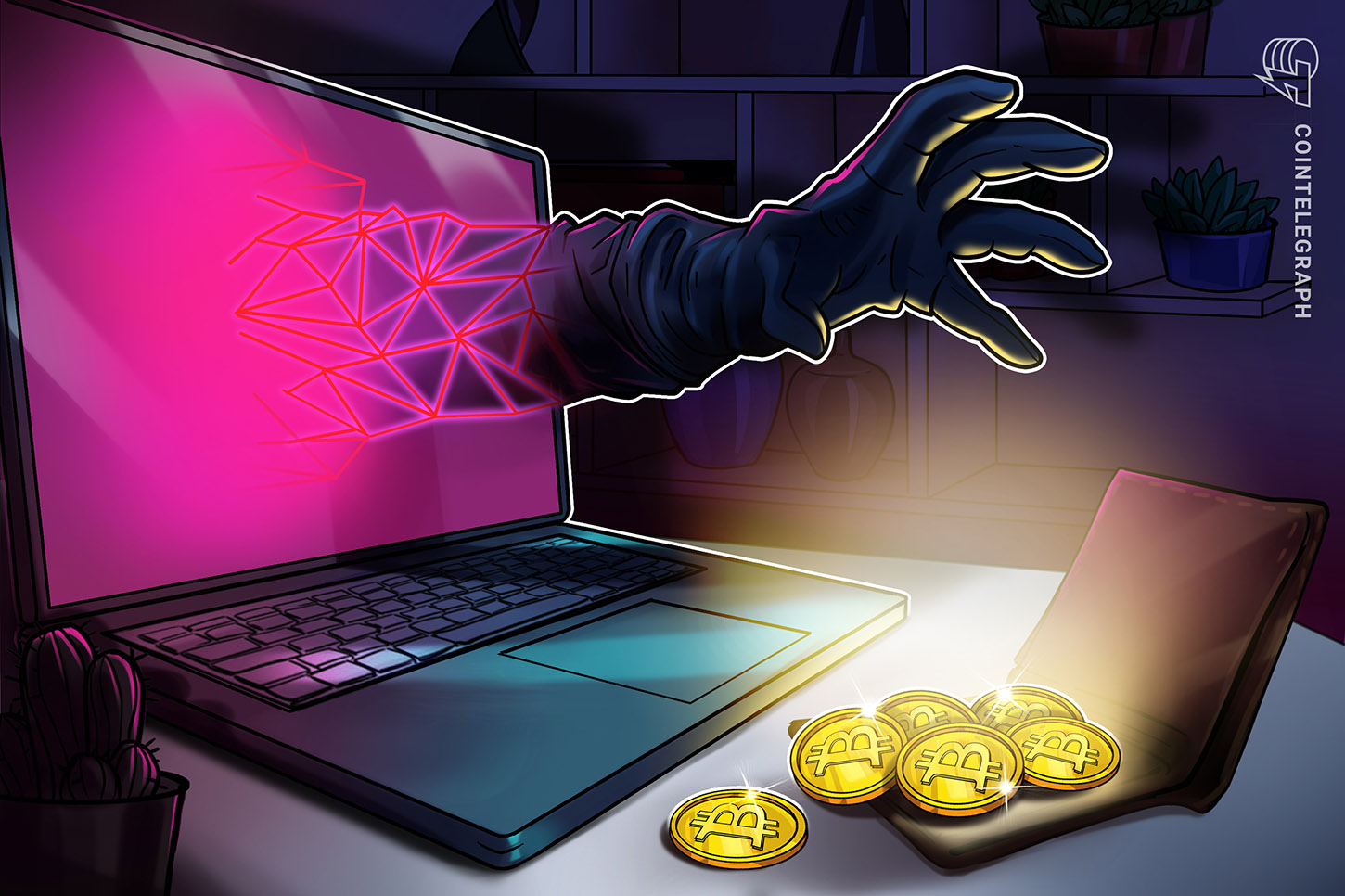
The Illusion of Absolute Air-Gaps: What the Coldcard Incident Reveals About Hardware Wallet Security
The recent security incident involving the Coldcard Bitcoin hardware wallet has shattered the long-held dogma of absolute 'air-gapped' security. Drawing on reports from Cointelegraph, this analysis dissects the vulnerabilities of hardware-based self-custody and explores the urgent need for a multi-layered security paradigm in the digital asset space.
Cracks in the Fortress: The Essence of the Coldcard Security Issue
In the cryptocurrency ecosystem, self-custody has long been heralded as the ultimate bastion of individual financial sovereignty. Among various solutions, Coinkite's Coldcard has been revered by Bitcoin maximalists as the gold standard of hardware wallets, thanks to its strict 'air-gapped' design that remains entirely isolated from the internet. However, the recent security incident has starkly demonstrated that even the most robust hardware devices are not infallible.
Deconstructing the Incident
According to reports from Cointelegraph, the security incident involving Coldcard stemmed from potential vulnerabilities associated with firmware update processes and specific physical attack vectors. Although the issue did not lead to immediate, widespread theft of funds, the revelation that an attacker with physical access or the ability to inject malicious firmware could compromise the device sent shockwaves through the industry. This incident not only dented Coldcard's reputation for technical superiority but also raised fundamental questions about the absolute safety of cold storage.
The Air-Gap Paradox and Supply Chain Risks
While air-gapping is a powerful defense mechanism that eliminates remote hacking via network connections, it introduces a paradox. Because the device never connects to the internet, users must manually transfer data using MicroSD cards or QR codes. This manual bridge introduces human error and the potential for malicious data injection. Furthermore, 'supply chain attacks'—where a device is tampered with during manufacturing or transit—remain a critical vulnerability that air-gapping simply cannot prevent.
Reassessing the Custody Paradigm
This incident serves as a stark reminder of the dangers of a Single Point of Failure (SPOF) in digital asset custody. Relying solely on a single hardware wallet, no matter how sophisticated, exposes investors to design flaws, firmware bugs, or physical tampering.
Mitigating Risks in a Trustless System
Industry experts are increasingly advocating for the widespread adoption of multi-signature (Multisig) setups. By combining hardware wallets from different manufacturers (e.g., Coldcard, Trezor, and Ledger) into a multisig scheme, investors can ensure that a security flaw in one manufacturer's device does not compromise their entire portfolio. Additionally, the importance of open-source code, continuous community audits, and reproducible builds has never been more pronounced.
Conclusion: A New Milestone for Digital Asset Security
The Coldcard incident is not merely a technical hiccup; it is a symbolic event proving that cryptocurrency security is an ongoing arms race between attackers and defenders. There is no absolute safe haven. Investors must remain vigilant, continuously update their security practices, and diversify their custody methods to safeguard their wealth.
To establish a clear investment direction amid complex market conditions, we recommend comprehensively leveraging FireMarkets' in-depth analysis content and fundamental on-chain data.
FireMarkets Intelligent Outlook
Real-time technical analysis and AI sentiment for BTC.
View AI Analysis Summary
Crypto Fear & Greed
Next Update: Unknown
Firemarkets.net AI Analysis Result:
* Not financial advice. Data for informational purposes only.
Want deeper analysis on this asset?
Check out expert reports and on-chain data provided by FireMarkets specialists.
All content provided by FireMarkets (including news, analysis, and data) is for reference purposes only to assist in investment decisions and does not constitute a recommendation to buy or sell any specific asset.
Financial markets are highly volatile, and past performance is not indicative of future results. Please rely on your own judgment and consult with professionals before making any investment decisions. FireMarkets assumes no legal liability for investment outcomes.