

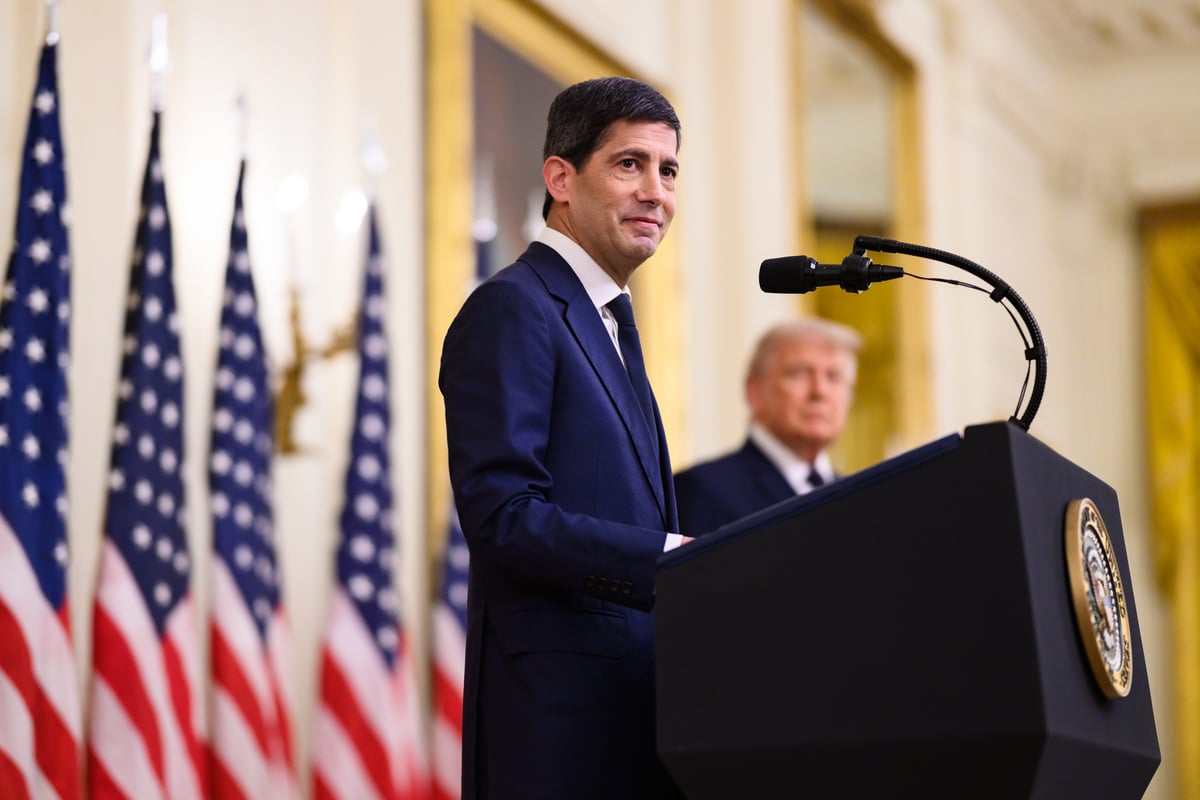
The Independence Trap: Why Kevin Warsh Faces a No-Win Scenario at the Federal Reserve
As Kevin Warsh takes the helm of the Federal Reserve under the watchful and often critical eye of President Donald Trump, he finds himself ensnared in a classic political Catch-22. Any monetary policy decision he makes will be viewed through a highly politicized lens, threatening the very institutional independence of the central bank.
The Crucible of Central Bank Independence
The financial world is closely watching the newly appointed Federal Reserve Chair, Kevin Warsh. However, the seat he occupies is far from comfortable. According to an insightful analysis by The Motley Fool, Warsh has been handed a classic "no-win scenario" courtesy of President Donald Trump—a political and economic trap where every move carries severe institutional risks.
Historically, the Federal Reserve's greatest asset has been its hard-won independence from short-term political cycles. Under the Trump administration, however, this independence is facing an unprecedented trial. With the President openly demanding lower interest rates and monetary easing, any policy decision made by the central bank is bound to be interpreted through a highly politicized lens.
The Catch-22 of Monetary Policy
Chair Warsh faces two primary, yet equally hazardous, paths forward:
- The Easing Path (The Stigma of Capitulation): If the Fed decides to cut interest rates to buffer the economy, critics and market participants will likely view the move as a direct capitulation to President Trump's relentless pressure. This perception could severely damage the Fed's credibility and unanchor long-term inflation expectations.
- The Tightening or Holding Path (The Scapegoat for Recession): Conversely, if Warsh holds rates steady or hikes them to assert the Fed's autonomy, he will face fierce political blowback. Should the economy slow down or the stock market experience a correction, the administration will undoubtedly lay the entirety of the blame at the Fed's doorstep.
The Ghost of Arthur Burns
This dilemma strongly echoes the dark days of the 1970s, when then-Fed Chair Arthur Burns succumbed to pressure from President Richard Nixon to keep monetary policy loose. That capitulation ultimately paved the way for a decade of devastating stagflation. While Warsh is undoubtedly aware of this historical cautionary tale, the modern political and media landscape presents an even more aggressive challenge to central bank autonomy.
Market Implications and Strategic Navigation
Ultimately, the Federal Reserve under Kevin Warsh must walk an incredibly thin tightrope. Investors can no longer rely solely on traditional economic indicators; they must also factor the complex political dynamics between the White House and the Eccles Building into their risk models. This heightened uncertainty is poised to inject significant volatility into both bond and equity markets.
When it comes to understanding the big market picture and forming investment strategies, FireMarkets' Market Insight provides broad perspectives from macroeconomic analysis to individual asset trends.
FireMarkets Intelligent Outlook
Real-time technical analysis and AI sentiment for BRK.A, SPY, DXY, QQQ, BRK.B.
View AI Analysis Summary
Firemarkets.net AI Analysis Result:
* Not financial advice. Data for informational purposes only.
Want deeper analysis on this asset?
Check out expert reports and on-chain data provided by FireMarkets specialists.
All content provided by FireMarkets (including news, analysis, and data) is for reference purposes only to assist in investment decisions and does not constitute a recommendation to buy or sell any specific asset.
Financial markets are highly volatile, and past performance is not indicative of future results. Please rely on your own judgment and consult with professionals before making any investment decisions. FireMarkets assumes no legal liability for investment outcomes.