

The Mechanics of Consensus: What the BIP-110 Stall Reveals About Bitcoin's Mining Dynamics
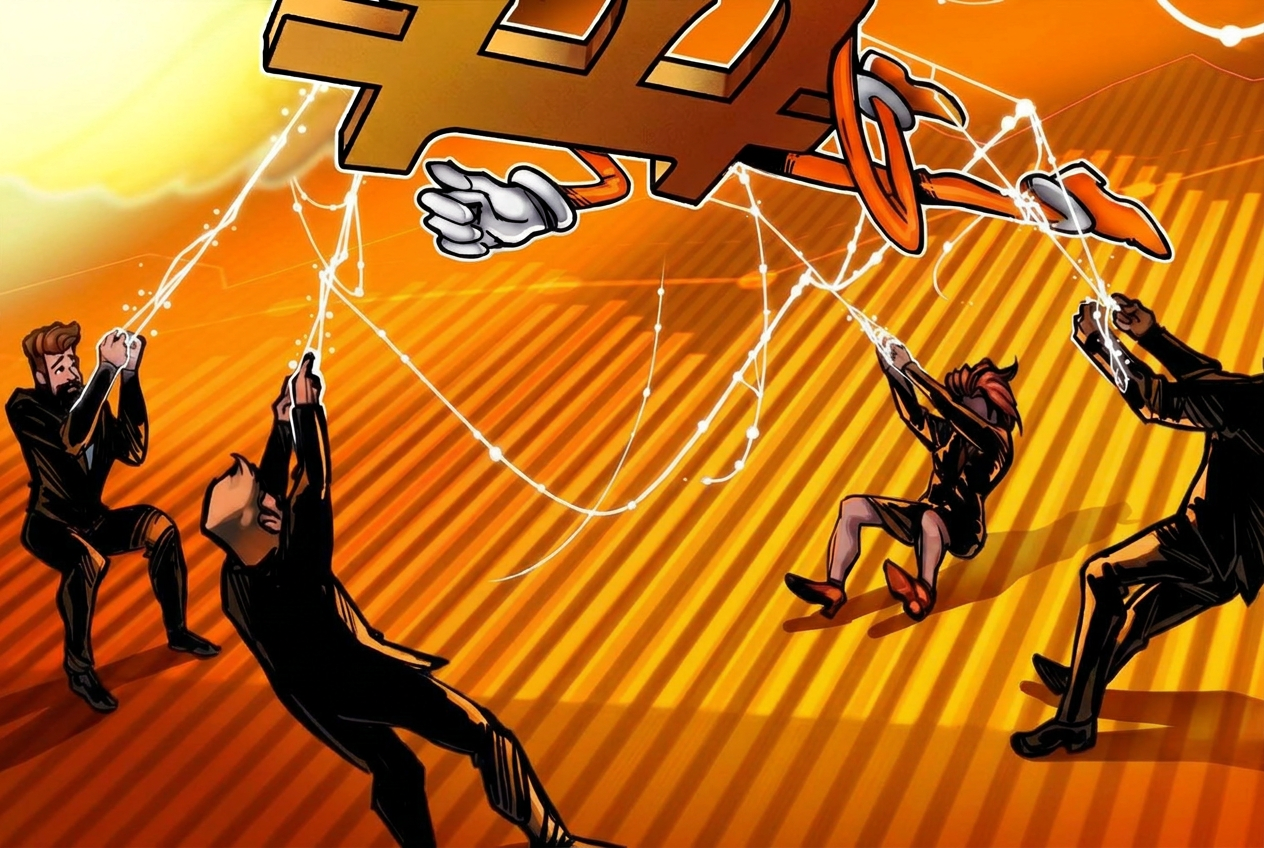
The recent stalling of the proposed Bitcoin Improvement Proposal (BIP-110) branch highlights the fragile balance between core protocol upgrades and network consensus. As node operators and mining pools debate the technical merits and economic ramifications of the proposal, the immediate impact manifests in hash rate recalibrations and mining difficulty adjustments. This analysis examines the interplay between governance deadlocks, miner profitability, and the long-term resilience of Bitcoin's consensus architecture.
The Governance Dilemma: Deciphering the BIP-110 Friction
According to reports from Cointelegraph, the development trajectory surrounding Bitcoin Improvement Proposal (BIP-110) has reached a sudden impasse, reigniting fundamental debates around protocol governance and network scalability. While Bitcoin's conservative consensus model is fundamentally engineered to prioritize safety over swift innovation, a stalled proposal branch creates immediate ripples across the mining architecture.
Technical Underpinnings and the Mechanism of Stalling
Designed to optimize block space allocation and transaction throughput, BIP-110 encountered resistance due to differing strategic priorities between core developers and major mining pool operators. Under Bitcoin's decentralized framework, enacting protocol-level adjustments requires overwhelming alignment. Without this threshold, the proposal branch stalls, casting a temporary shadow of operational ambiguity over the broader network.
Mining Difficulty and Hash Rate Dynamics
The friction surrounding protocol upgrades directly influences capital allocation decisions among institutional and retail miners alike. The uncertainty stemming from BIP-110's hesitation has prompted hash rate recalibrations as operators hedge against potential execution risks.
Miner Economics and Hardware Efficiency
As hash rate fluctuates in response to stalled technical developments, Bitcoin's automated difficulty adjustment mechanism steps in to stabilize block emission rates. A downward adjustment in difficulty decreases operational expenditures per minted coin, providing temporary relief to marginal miners; conversely, prolonged uncertainty can trigger hardware flight or consolidation within the mining sector.
- Short-term Impact: Heightened variance in block production times and subtle fee market adjustments during difficulty retargeting windows.
- Long-term Impact: Structural adaptation as mining operations factor technical governance risk into capital expansion models.
Strategic Horizon and Final Reflections
The stalling of BIP-110 serves as a potent reminder that technical evolution in a stateless monetary system is deliberately arduous. Historically, such friction reinforces Bitcoin's core value proposition as an immutable ledger resilient to hasty changes. Analysts and miners alike must monitor incoming difficulty adjustments to evaluate the underlying health of the network's hash power foundation.
When it comes to understanding the big market picture and forming investment strategies, FireMarkets' Market Insight provides broad perspectives from macroeconomic analysis to individual asset trends.
FireMarkets Intelligent Outlook
Real-time technical analysis and AI sentiment for BTC.
View AI Analysis Summary
Crypto Fear & Greed
Next Update: Unknown
Firemarkets.net AI Analysis Result:
* Not financial advice. Data for informational purposes only.
Want deeper analysis on this asset?
Check out expert reports and on-chain data provided by FireMarkets specialists.
All content provided by FireMarkets (including news, analysis, and data) is for reference purposes only to assist in investment decisions and does not constitute a recommendation to buy or sell any specific asset.
Financial markets are highly volatile, and past performance is not indicative of future results. Please rely on your own judgment and consult with professionals before making any investment decisions. FireMarkets assumes no legal liability for investment outcomes.