

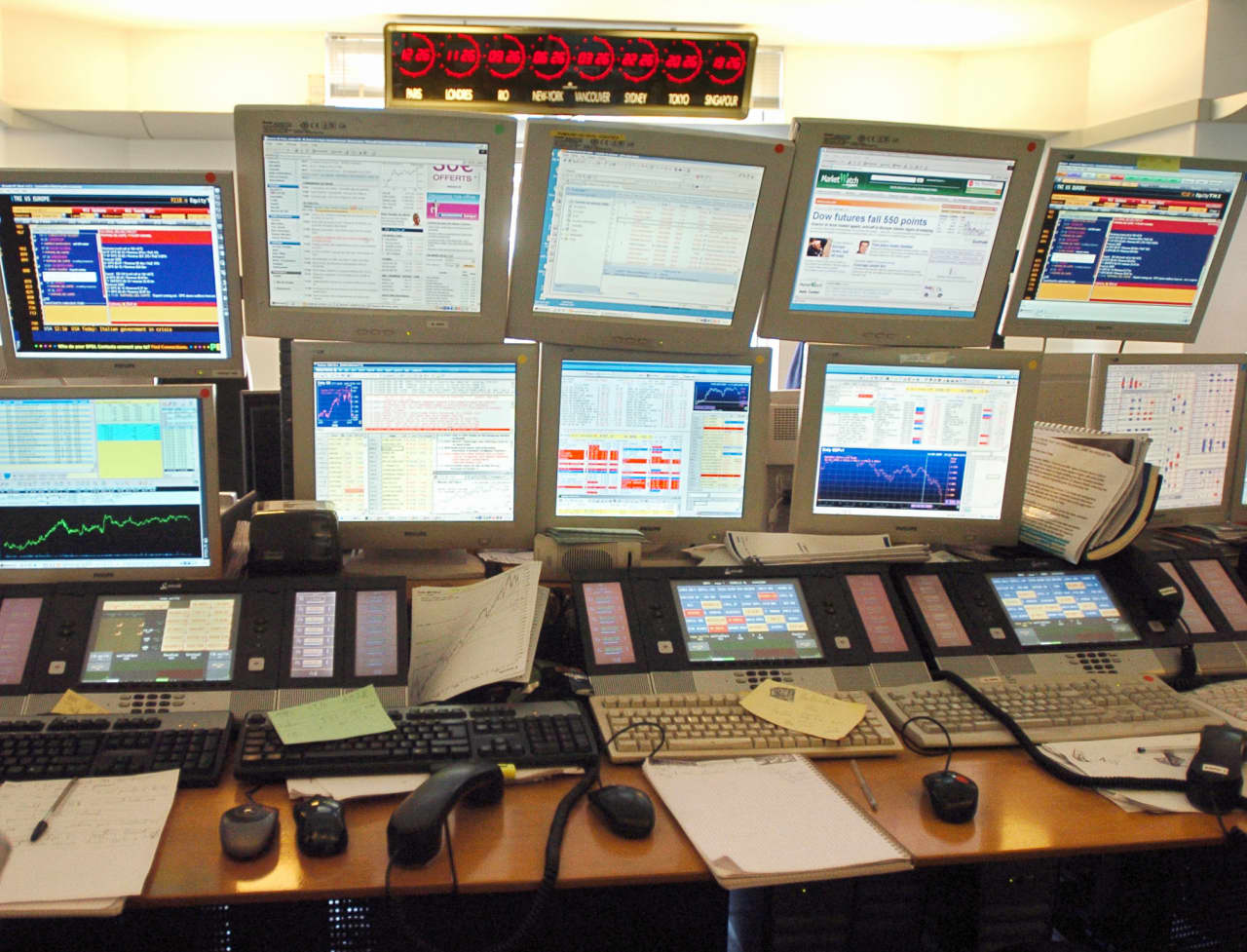
The Momentum Mirage: Inside the Quantitative Rout as Algorithmic Darlings Stumble
A sudden and violent reversal in momentum stocks has sent shockwaves through the quantitative investing landscape, triggering a sharp trading rout for systematic funds. As crowded trades unravel, the episode exposes the structural vulnerabilities of algorithmic models heavily leveraged to persistent market trends, forcing a critical re-evaluation of factor-based risk management.
The Sudden Fracture in Systematic Strategies
The invisible hand of modern finance—quantitative algorithms—has run aground on an unexpected reef. A sudden and violent reversal in "momentum stocks," the high-flying darlings that have propelled equity markets upward for months, has inflicted severe trading losses and forced liquidations on systematic funds. According to a report by MarketWatch, quantitative funds relying on trend-following models suffered one of their sharpest trading routs in recent history as these crowded market leaders abruptly stumbled.
This episode transcends a mere correction in individual stock prices; it exposes a structural vulnerability within the algorithmic ecosystem that underpins global market liquidity. Mathematical models designed under the assumption that established trends persist have once again proven highly vulnerable to sudden, violent shifts in market regime and factor rotation.
The Mechanics of the Momentum Reversal
The Paradox of Crowded Trades
At its core, the momentum strategy is built on the premise of buying recent winners and selling recent losers. While highly lucrative during prolonged bull runs, the very success of this strategy breeds its own demise through "factor crowding." As multi-billion-dollar quantitative funds converge on the same basket of top-performing equities, prices are driven to levels far detached from their underlying fundamentals.
When the market reaches this state of hyper-saturation, even a minor macroeconomic shift or a bout of profit-taking can trigger a cascading sell-off. The recent rout bears all the hallmarks of a classic "momentum crash," where the unwinding of highly leveraged, overlapping positions leads to a rapid and painful re-pricing of risk.
The Domino Effect of Algorithmic Deleveraging
While algorithmic models lack human emotion, they are bound by strict, automated risk parameters. The moment key momentum stocks breach predetermined volatility thresholds, systematic models trigger automated sell orders to protect capital. This mechanical selling puts further downward pressure on prices, which in turn breaches the risk limits of other funds, creating a self-reinforcing feedback loop of deleveraging. Even without panic from retail investors, the cold, calculated interactions of machines can accelerate market declines at an alarming velocity.
Navigating the New Regime of Market Volatility
This quantitative shakeout serves as a stark reminder of the perils of factor concentration and the vital importance of dynamic risk management. Strategies heavily skewed toward a single market anomaly are highly susceptible to catastrophic failure when macroeconomic regimes shift. In an era defined by shifting interest rate expectations and geopolitical friction, relying solely on historical price trends is no longer sufficient.
To analyze the ripple effects of global economic issues on asset markets from multiple angles, leverage FireMarkets' expert analysis columns and diverse asset charting tools.
FireMarkets Intelligent Outlook
Real-time technical analysis and AI sentiment for IWD, SPY, MTUM, QQQ.
View AI Analysis Summary
Firemarkets.net AI Analysis Result:
* Not financial advice. Data for informational purposes only.
Want deeper analysis on this asset?
Check out expert reports and on-chain data provided by FireMarkets specialists.
All content provided by FireMarkets (including news, analysis, and data) is for reference purposes only to assist in investment decisions and does not constitute a recommendation to buy or sell any specific asset.
Financial markets are highly volatile, and past performance is not indicative of future results. Please rely on your own judgment and consult with professionals before making any investment decisions. FireMarkets assumes no legal liability for investment outcomes.