

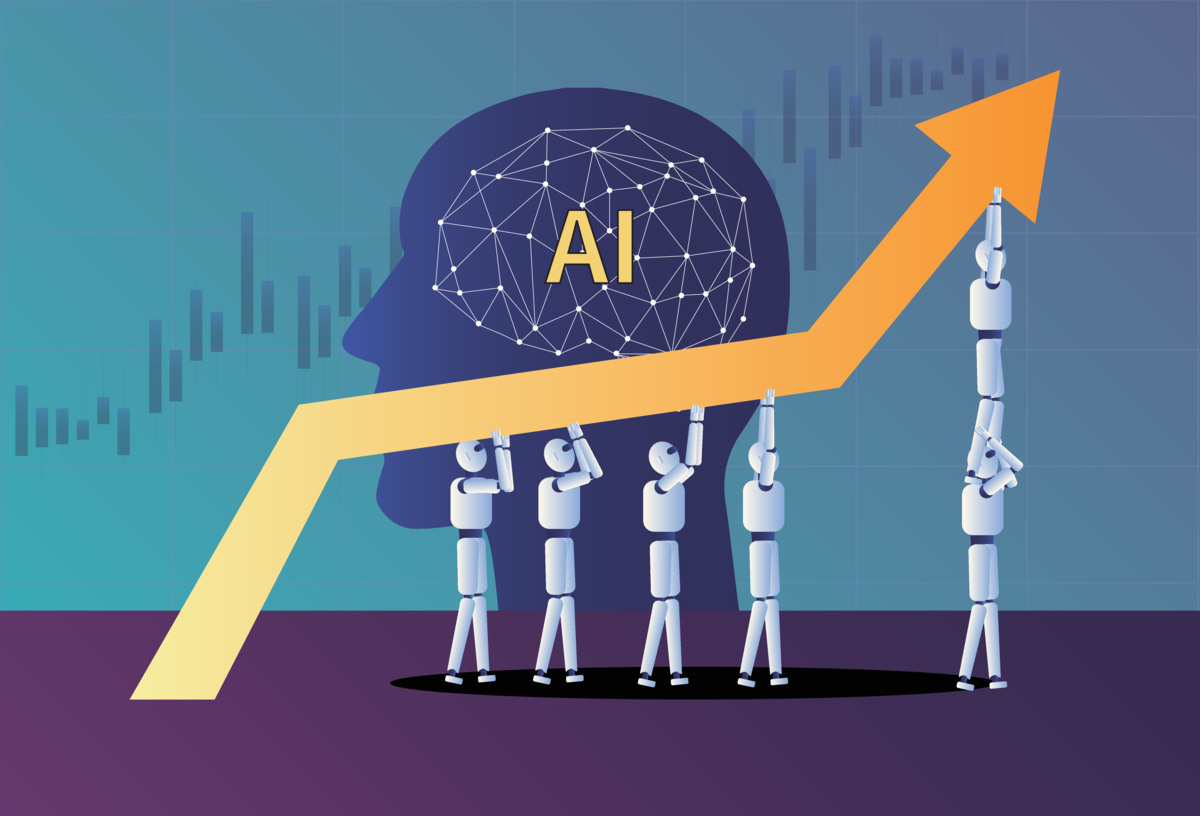
The Peak Paradox: Navigating the Nasdaq-100 and QQQ at All-Time Highs
As mega-cap technology giants propel the Invesco QQQ ETF to historic heights, investors face a classic psychological and analytical dilemma: is it a golden opportunity to ride the secular wave of innovation, or a dangerous entry point at stretched valuations? This analysis dissects the risk-reward profile of buying QQQ near its peak, offering strategic frameworks for long-term capital allocation.
The Allure and Anxiety of the Peak
In the financial markets, all-time highs are a double-edged sword. On one hand, they represent the triumph of corporate earnings and economic resilience; on the other, they trigger a deep-seated fear of buying at the absolute top. As reported by The Motley Fool, this psychological tug-of-war is currently playing out in the tech sector, specifically surrounding the Invesco QQQ ETF, which tracks the Nasdaq-100 index. With tech giants continuing to trade near historic valuations, investors are left wondering whether to deploy capital now or wait for a correction.
Historically, waiting for a market pullback has often proven to be a losing strategy. The stock market spends a surprising amount of time at or near all-time highs during secular bull markets. However, the current macroeconomic environment—characterized by shifting interest rate expectations and high valuation multiples—demands a more nuanced, analytical approach rather than blind optimism.
Concentration Risk vs. Secular Growth Engines
The Weight of the Giants
The primary concern for modern QQQ investors is concentration risk. The Nasdaq-100 is heavily dominated by a handful of mega-cap technology companies, often referred to as the "Magnificent Seven." Companies like Apple, Microsoft, Nvidia, and Amazon carry immense weight in the index. Consequently, buying QQQ is not just a bet on the broader technology sector; it is a highly concentrated bet on the continued dominance of these few giants.
Valuation and the AI Premium
Are these valuations justified? Proponents argue that the premium is warranted due to unprecedented secular growth drivers, chief among them being artificial intelligence (AI) and cloud computing. Unlike the dot-com bubble of 2000, today's tech leaders generate massive free cash flows and possess robust balance sheets. However, when price-to-earnings (P/E) ratios stretch far beyond historical averages, the margin of safety shrinks. Any deceleration in growth or disappointment in earnings can trigger sharp, short-term corrections.
Strategic Frameworks for High-Valuation Environments
Embracing Dollar-Cost Averaging (DCA)
For investors sitting on cash, the fear of bad timing can be paralyzing. This is where Dollar-Cost Averaging (DCA) becomes an invaluable tool. By investing a fixed amount of money at regular intervals, investors mitigate the risk of deploying all their capital at a cyclical peak. If the market continues to rise, they benefit from their initial positions; if it falls, they acquire more shares at a lower cost, effectively lowering their average purchase price.
Adopting a Multi-Year Horizon
Ultimately, the decision to buy QQQ at all-time highs depends on one's investment horizon. Over a ten-year period, short-term valuation fluctuations tend to smooth out, eclipsed by the compounding power of corporate earnings. For long-term investors, "time in the market" almost always beats "timing the market."
Conclusion: Navigating the Tech Landscape
While the Nasdaq-100's current levels may seem daunting, the underlying secular trends driving these companies remain intact. Navigating this high-altitude environment requires both strategic patience and precise data. For more data-driven stock investment decisions, leverage FireMarkets' AMZN detailed analysis. Don't miss the market expert insights alongside the volume charts.
FireMarkets Intelligent Outlook
Real-time technical analysis and AI sentiment for AMZN, QQQ, MU, MSFT, NVDA, AAPL.
View AI Analysis Summary
Firemarkets.net AI Analysis Result:
* Not financial advice. Data for informational purposes only.
Want deeper analysis on this asset?
Check out expert reports and on-chain data provided by FireMarkets specialists.
All content provided by FireMarkets (including news, analysis, and data) is for reference purposes only to assist in investment decisions and does not constitute a recommendation to buy or sell any specific asset.
Financial markets are highly volatile, and past performance is not indicative of future results. Please rely on your own judgment and consult with professionals before making any investment decisions. FireMarkets assumes no legal liability for investment outcomes.