

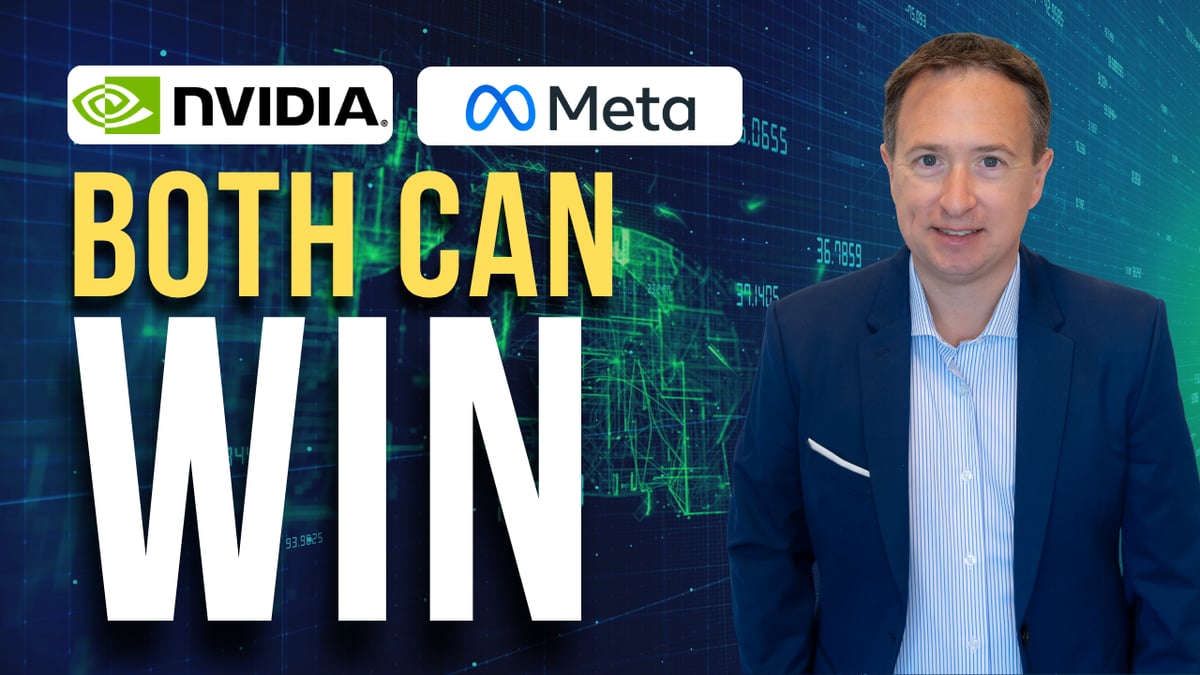
The Silicon Schism: Can Custom Chips Breach Nvidia’s AI Fortress?
As tech giants like Meta aggressively develop custom silicon to bypass Nvidia's premium pricing, the artificial intelligence landscape faces a pivotal question: can bespoke ASICs truly dismantle the hardware and software moat that has made Nvidia the undisputed sovereign of the AI era?
The Rise of Bespoke Silicon and Big Tech's Declaration of Independence
At the epicenter of the artificial intelligence revolution, Nvidia has long enjoyed an almost imperial monopoly. However, this hegemony is facing a subtle yet profound challenge as hyperscalers, led by Meta, pour billions into developing their own custom application-specific integrated circuits (ASICs). According to a detailed analysis by The Motley Fool, this shift toward in-house silicon represents a potential long-term threat to Nvidia's core growth engine, prompting investors to question the durability of its market dominance.
The Economic Imperative of Self-Reliance
The motivation driving tech giants like Meta, Google, and Amazon to design their own chips is fundamentally economic. Nvidia's cutting-edge GPUs, such as the H100 and the newer Blackwell architecture, command premium pricing that strains even the deepest corporate pockets. By developing custom silicon like the Meta Training and Inference Accelerator (MTIA), these companies can optimize hardware for specific proprietary algorithms. This bespoke approach yields superior energy efficiency and significantly lowers operational expenditures compared to deploying general-purpose GPUs.
Anatomy of Nvidia’s Moat: Beyond Mere Silicon
Despite the aggressive push from hyperscalers, dismantling Nvidia's fortress remains a monumental task. Nvidia's competitive advantage is not merely a product of superior hardware engineering; it is anchored in a deeply entrenched ecosystem.
CUDA: The Software Hegemony
Nvidia’s most formidable defense is CUDA (Compute Unified Device Architecture), a proprietary software platform launched in 2006. Over nearly two decades, CUDA has become the industry standard, with millions of developers building and optimizing AI models exclusively within its ecosystem. Even if a competitor designs a faster chip, migrating away from Nvidia requires rewriting massive codebases—a process that is both economically prohibitive and highly disruptive to development timelines.
Systems, Not Just Silicon
Furthermore, Nvidia has evolved from a chip designer into a full-stack data center architect. Through its high-speed InfiniBand networking and NVLink interconnect technologies, Nvidia seamlessly binds tens of thousands of GPUs into a single, cohesive supercomputing unit. This systemic integration is incredibly difficult for custom silicon newcomers to replicate at scale.
A Critical Threat or Market Segmentation?
Ultimately, the rise of custom silicon is unlikely to completely dethrone Nvidia. Instead, it points toward a segmented AI hardware market. While hyperscalers will increasingly deploy their own ASICs for high-volume, cost-sensitive inference workloads, Nvidia is poised to remain the undisputed king of cutting-edge frontier model training. While this transition may eventually compress Nvidia's astronomical hardware margins, its systemic dominance within the broader AI infrastructure landscape is expected to endure.
For technical analysis of this stock, refer to the OHLCV data and volume patterns available on the FireMarkets NVDA Dashboard.
FireMarkets Intelligent Outlook
Real-time technical analysis and AI sentiment for NVDA, META.
View AI Analysis Summary
Firemarkets.net AI Analysis Result:
* Not financial advice. Data for informational purposes only.
Want deeper analysis on this asset?
Check out expert reports and on-chain data provided by FireMarkets specialists.
All content provided by FireMarkets (including news, analysis, and data) is for reference purposes only to assist in investment decisions and does not constitute a recommendation to buy or sell any specific asset.
Financial markets are highly volatile, and past performance is not indicative of future results. Please rely on your own judgment and consult with professionals before making any investment decisions. FireMarkets assumes no legal liability for investment outcomes.