

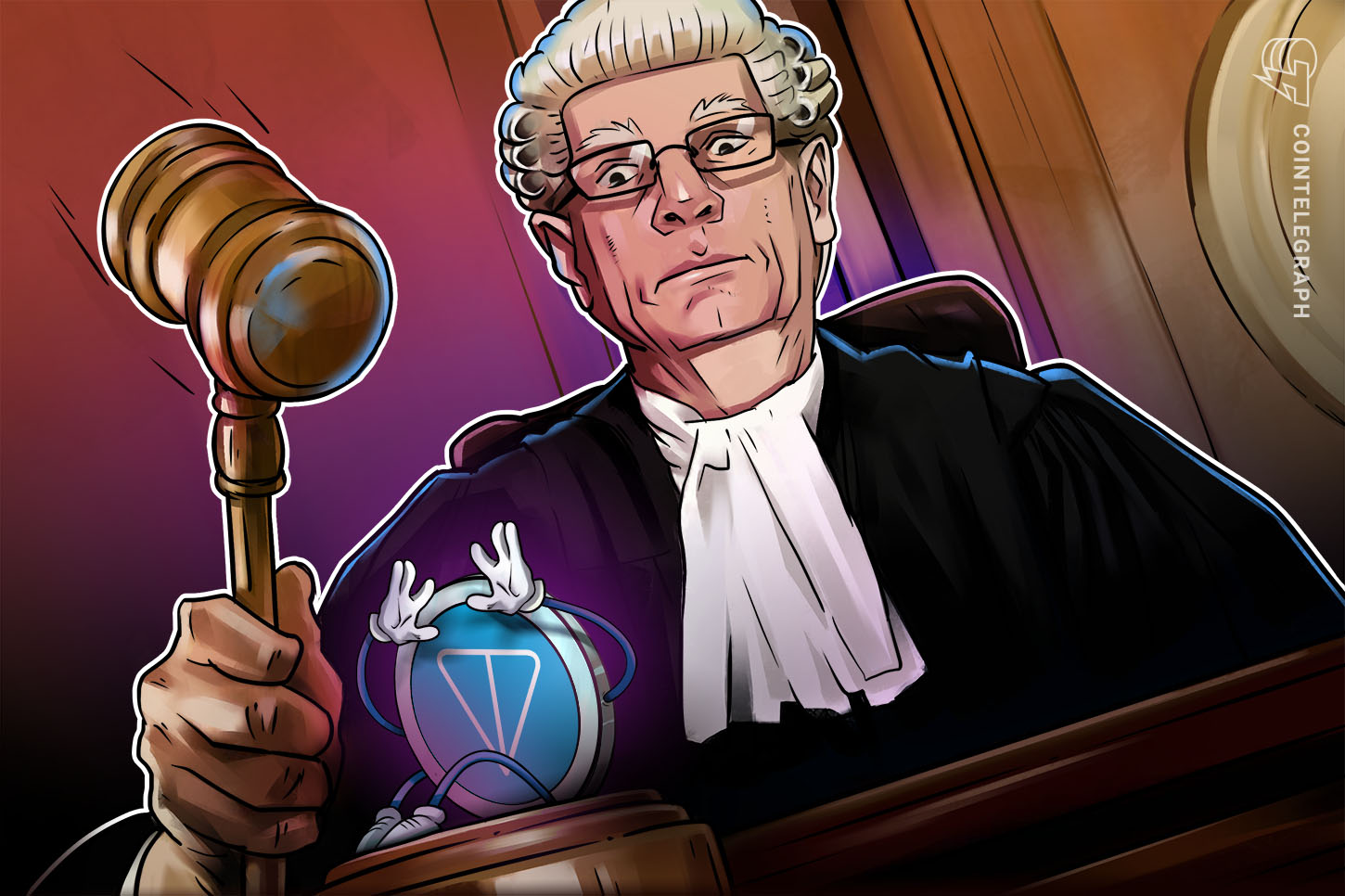
The Sovereign vs. The Encrypted: Australia’s Legal Crusade Against Telegram and the Future of Platform Liability
Australia's legal action against Telegram over its alleged failure to moderate and remove terrorist content marks a critical escalation in the global clash between state sovereignty and encrypted communication platforms. This lawsuit underscores the intensifying regulatory pressure on tech firms to police their networks, signaling a paradigm shift where absolute privacy is increasingly challenged by national security mandates.
The Digital Frontier Under Siege
According to a report by Cointelegraph, the Australian government has initiated legal proceedings against the encrypted messaging giant Telegram, alleging a systemic failure to remove terrorist and violent extremist content from its platform. This lawsuit marks a watershed moment in the ongoing geopolitical struggle between sovereign states demanding oversight and technology platforms championing absolute user privacy.
The Core of the Dispute: Moderation vs. Encryption
For years, Telegram has operated as a bastion of free speech and unyielding privacy, largely due to its end-to-end encryption capabilities and historically hands-off approach to content moderation. However, regulatory bodies worldwide are increasingly arguing that this hands-off stance provides a safe haven for illicit activities, including terrorism, money laundering, and disinformation. Australia's legal action asserts that Telegram's failure to act on flagged extremist content violates local online safety laws, signaling that governments are no longer willing to accept "technical impossibility" or "privacy-first" philosophies as excuses for regulatory non-compliance.
A Growing Global Precedent
This lawsuit does not exist in a vacuum. It follows a series of aggressive regulatory maneuvers globally, most notably the arrest of Telegram founder Pavel Durov in France. These events indicate a coordinated, global shift in how governments view platform liability. The era of safe harbor protections—where platforms were not held liable for user-generated content—is rapidly drawing to a close. Instead, regulators are enforcing strict compliance frameworks, threatening massive financial penalties, and even pursuing criminal charges against executives.
Market and Regulatory Implications
The legal pressure on Telegram has direct ramifications for the broader digital asset and Web3 ecosystems. Telegram's close integration with the TON (The Open Network) blockchain means that any regulatory headwind facing the messaging app inevitably spills over into the cryptocurrency markets. Investors are closely watching how these legal battles unfold, as they could set a precedent for other decentralized communication protocols and privacy-focused crypto assets.
Conclusion: Navigating the New Era of Compliance
As the boundaries between national security and digital privacy continue to blur, market participants must brace for heightened volatility and structural shifts in the tech and crypto sectors. To analyze the ripple effects of global economic issues on asset markets from multiple angles, leverage FireMarkets' expert analysis columns and diverse asset charting tools.
FireMarkets Intelligent Outlook
Real-time technical analysis and AI sentiment for TON.
View AI Analysis Summary
Firemarkets.net AI Analysis Result:
* Not financial advice. Data for informational purposes only.
Want deeper analysis on this asset?
Check out expert reports and on-chain data provided by FireMarkets specialists.
All content provided by FireMarkets (including news, analysis, and data) is for reference purposes only to assist in investment decisions and does not constitute a recommendation to buy or sell any specific asset.
Financial markets are highly volatile, and past performance is not indicative of future results. Please rely on your own judgment and consult with professionals before making any investment decisions. FireMarkets assumes no legal liability for investment outcomes.