

The Unraveling of BitMart: A Cautionary Tale in Crypto's Volatile Seas
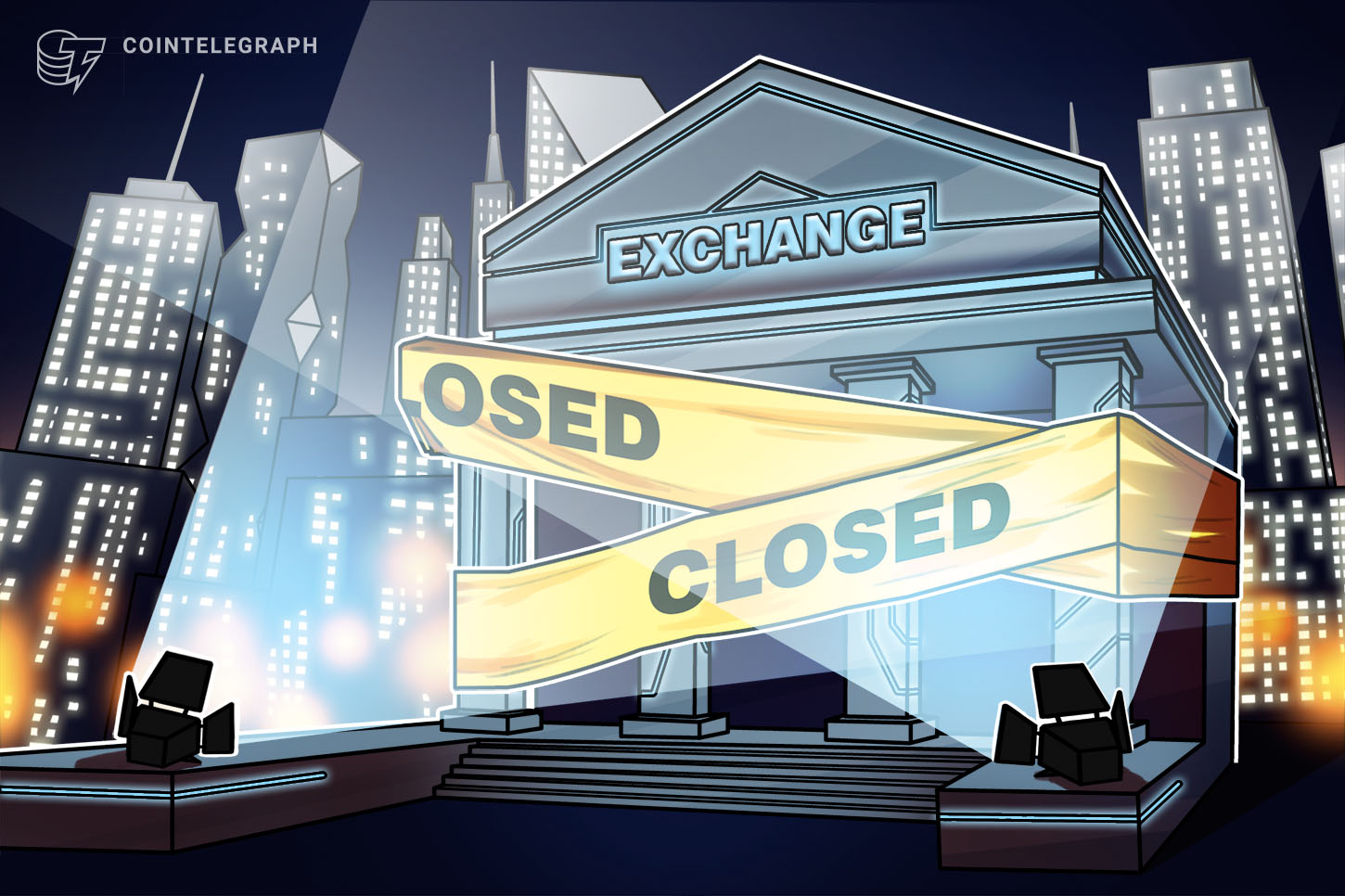
On July 26, 2026, the cryptocurrency exchange BitMart announced its cessation of operations, a direct consequence of a severe token price plunge and widespread withdrawal delays. As reported by Cointelegraph, this development sends yet another tremor through the digital asset market, underscoring not merely a corporate failure but a broader crisis of trust, regulatory lacunae, and the inherent fragility of investor protection within the crypto ecosystem. This incident serves as a stark reminder of the fundamental risks investors navigate in a volatile market and forcefully reiterates the imperative for industry maturation and enhanced regulatory oversight.
The Precipice of Collapse: BitMart's Downfall
A Cascade of Failures: Token Plunge and Withdrawal Woes
The sudden announcement of BitMart's cessation of operations casts a deeper shadow over the digital asset market. According to Cointelegraph's report, the immediate cause of this crisis stems from a liquidity crunch triggered by a sharp decline in the price of a specific token, followed by the exchange's inability to process a massive wave of user withdrawal requests. This mirrors the classic 'bank run' scenario repeatedly witnessed in various cryptocurrency exchanges, raising fundamental questions about the financial health and transparency of such platforms.
Users, unable to access their assets, were plunged into extreme anxiety, an emotion that inevitably translates into broader distrust of the cryptocurrency market. Such incidents vividly illustrate the inherent risks associated with centralized exchanges: the fact that user assets are managed by the exchange itself, and the opacity of their operations can, at any moment, inflict catastrophic losses upon investors.
The Broader Context: A Market Under Duress
BitMart's collapse is not an isolated incident. It further exposes the fragility of a cryptocurrency market already weakened by a series of major events over the past few years, including the Terra-Luna collapse, the FTX implosion, and the Celsius bankruptcy. Amid global economic uncertainty, rising interest rates, and increasing regulatory scrutiny from governments worldwide, the crypto market faces unprecedented pressure. In this environment, smaller and medium-sized exchanges like BitMart are particularly vulnerable to liquidity crises, acting as detrimental factors to the market's overall health.
Implications for the Digital Asset Ecosystem
User Trust and Investor Confidence
The BitMart debacle risks further eroding user trust in the cryptocurrency market. Investors who cannot find answers to the fundamental question of 'Are my funds safe?' will either exit the market or adopt extremely conservative investment strategies. This could stifle new capital inflows and weaken the market's resilience for recovery. Specifically, the departure of retail investors, who have historically driven the growth of the crypto market, could lead to severe long-term issues hindering innovation and development.
Regulatory Imperatives and Future Landscape
This incident once again underscores the urgent need for robust and consistent regulation of cryptocurrency exchanges. Governments and regulatory bodies must apply stringent standards to the crypto industry, comparable to those in traditional financial markets, focusing on user asset protection, operational transparency, and anti-money laundering (AML) and counter-terrorist financing (CFT) measures. While such regulations might appear to hinder market growth in the short term, they are essential for ensuring market integrity, protecting investors, and laying the groundwork for sustainable growth in the long run.
Navigating the Volatility: A Call for Prudence
Lessons Learned and Risk Mitigation
The case of BitMart offers critical lessons for investors. Firstly, it reiterates the principle: 'Not your keys, not your coins.' While storing assets on centralized exchanges offers convenience, it exposes users to the risks of exchange bankruptcy or hacking. Secondly, thorough 'due diligence' is paramount, requiring investors to meticulously verify the financial health, operational transparency, and regulatory compliance of any platform they intend to use. Thirdly, all investments should adhere to the principle of diversification, avoiding the concentration of all assets in a single venue.
The Path Forward for Crypto
The cryptocurrency market remains in its nascent stages, experiencing growing pains through such upheavals. Incidents like BitMart's expose market imperfections but can also serve as catalysts for building stronger, more transparent, and secure systems. The industry must strengthen its self-regulation and leverage technological innovation to enhance security and transparency. Ultimately, for the cryptocurrency market to gain public trust and establish itself as a pillar of the mainstream financial system, it is imperative to overcome these crises and strive for a better future.
To analyze the ripple effects of global economic issues on asset markets from multiple angles, leverage FireMarkets' expert analysis columns and diverse asset charting tools.
Want deeper analysis on this asset?
Check out expert reports and on-chain data provided by FireMarkets specialists.
All content provided by FireMarkets (including news, analysis, and data) is for reference purposes only to assist in investment decisions and does not constitute a recommendation to buy or sell any specific asset.
Financial markets are highly volatile, and past performance is not indicative of future results. Please rely on your own judgment and consult with professionals before making any investment decisions. FireMarkets assumes no legal liability for investment outcomes.