

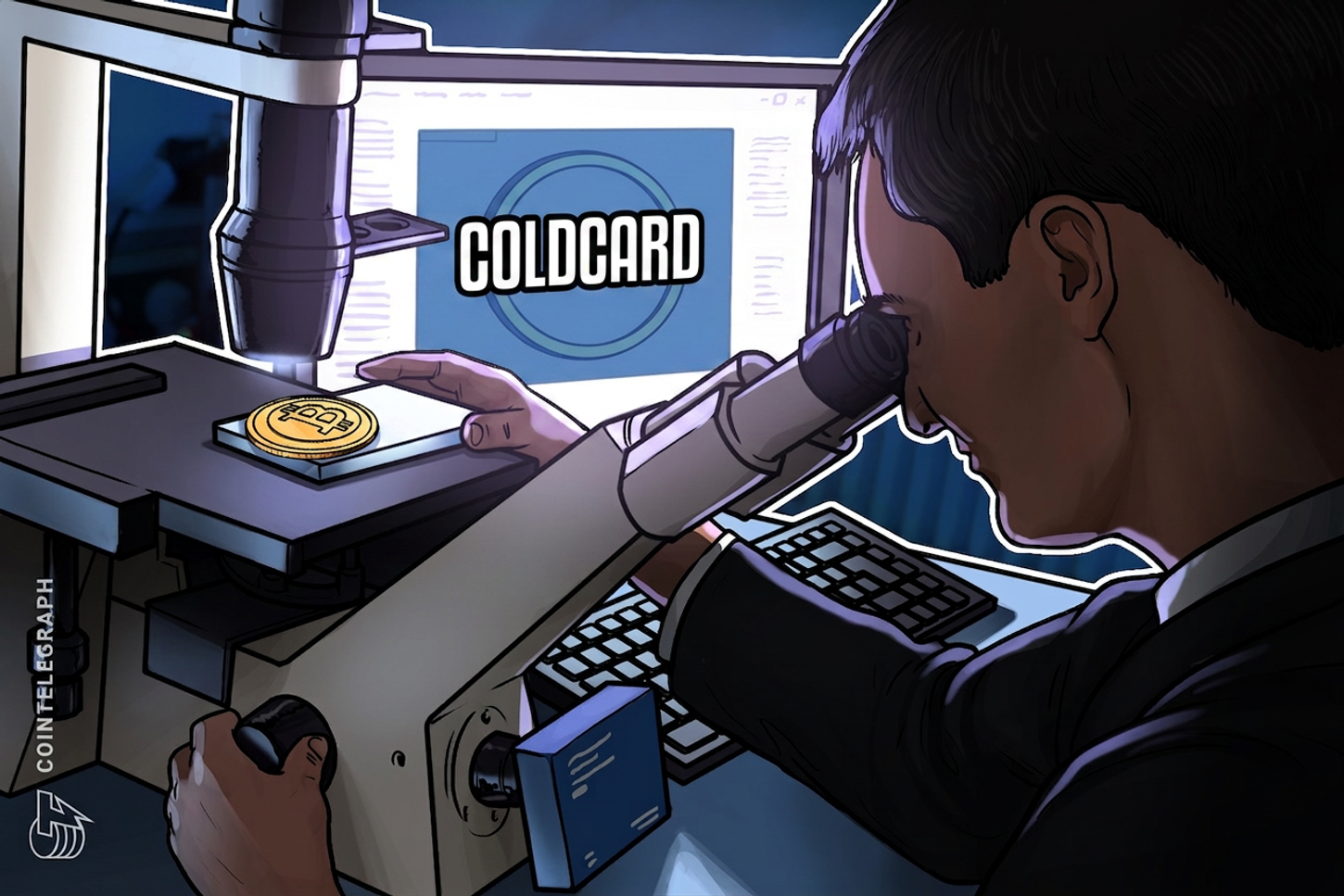
Unmasking the Digital Phantom: How On-Chain Forensics Trace Stolen Bitcoin After Coldcard Breaches
The illusion of total anonymity in the digital asset space is rapidly shattering under the sophisticated lens of modern blockchain forensics. Following security incidents involving Coldcard hardware wallet users, forensic investigators and analysts are leveraging cutting-edge on-chain tracking tools to reconstruct the movement of stolen Bitcoin, demonstrating that the immutable nature of the blockchain ultimately provides an indelible blueprint for tracking illicit capital.
Even 'cold storage'—long hailed as the gold standard for safeguarding digital assets—is not entirely immune to sophisticated security compromises driven by phishing, supply chain vulnerabilities, or social engineering tactics. According to a report by Cointelegraph, forensic investigators and specialized blockchain analytics firms are currently deploying advanced on-chain tracing methodologies to track stolen Bitcoin following recent security incidents associated with Coldcard hardware wallet users.
The Anatomy of an On-Chain Investigation
When an unauthorized transfer occurs from a cold storage setup, the transaction is irrevocably etched into the public ledger. The moment stolen Bitcoin leaves the victim's wallet, forensic analysts initiate a multi-tiered tracking protocol designed to illuminate the digital money trail.
- Genesis Transaction Isolation: Investigators identify the precise Block Height and Transaction Hash (TxID) corresponding to the unauthorized exfiltration.
- Unspent Transaction Output (UTXO) Graphing: Utilizing Bitcoin's fundamental UTXO architecture, analysts construct transactional Directed Acyclic Graphs (DAGs) to map how the illicit funds are fragmented or consolidated.
De-Anonymizing Obfuscation Techniques
Malicious actors routinely attempt to sever transactional links using 'peeling chains'—a process of repeatedly transferring small amounts while sending the remaining change to new addresses—or privacy-enhancing protocols such as CoinJoin mixers. Modern blockchain intelligence counters these obfuscation efforts through sophisticated heuristic logic and behavioral pattern matching.
1. Co-Spend Heuristics and Wallet Clustering
By analyzing 'common input ownership heuristics,' forensic systems aggregate disparate blockchain addresses into single-entity clusters. If multiple wallet addresses contribute inputs to a single transaction, investigators can mathematically infer shared ownership, effectively unmasking complex laundering networks.
2. Identifying Exchange Bottlenecks
Ultimately, illicit actors must bridge off-chain to realize fiat liquidity. Forensic teams continuously monitor centralized exchanges (CEXs) and cross-chain bridges for incoming deposits originating from flagged clusters.
- Real-time automated alerts trigger immediate freezing requests to exchange compliance departments.
- Know Your Customer (KYC) telemetry collected at deposit bottlenecks provides law enforcement with actionable real-world identities.
Strategic Outlook for Digital Asset Security
The forensic response to the Coldcard breach highlights a fundamental shift in digital asset security dynamics: while the decentralized realm provides tools for self-sovereign storage, the absolute transparency of public ledgers turns time into the investigator's greatest ally. As tracking algorithms become increasingly predictive, the friction costs of laundering stolen crypto continue to escalate significantly.
Explore the detailed analysis of macro indicators, gold, silver, cryptocurrencies, and more through Market Insight on FireMarkets, and leverage the on-chain fundamental analysis to forecast market trends and optimize your investment decisions.
FireMarkets Intelligent Outlook
Real-time technical analysis and AI sentiment for BTC.
View AI Analysis Summary
Crypto Fear & Greed
Next Update: Unknown
Firemarkets.net AI Analysis Result:
* Not financial advice. Data for informational purposes only.
Want deeper analysis on this asset?
Check out expert reports and on-chain data provided by FireMarkets specialists.
All content provided by FireMarkets (including news, analysis, and data) is for reference purposes only to assist in investment decisions and does not constitute a recommendation to buy or sell any specific asset.
Financial markets are highly volatile, and past performance is not indicative of future results. Please rely on your own judgment and consult with professionals before making any investment decisions. FireMarkets assumes no legal liability for investment outcomes.